

A good gamer chair can change a session more than a flashy keyboard or another strip of RGB ever will. Hours into a ranked match, posture starts to slip, shoulders creep upward, lower backs complain, and focus drops. That is usually the moment when the difference between marketing and real comfort becomes painfully obvious. Choosing the right seat is not about buying the loudest racing shell on the page. It is about finding a chair that fits the body, supports healthy posture, and still looks right inside a modern gaming setup or work corner.
The market has matured a lot by 2026. Buyers now face more options than the old fake-bucket formula: office-chair hybrids, mesh-backed gaming models, classic padded designs, and premium ergonomic seats with serious adjustability. Some look spectacular and feel awful after 90 minutes. Others seem plain, then quietly outperform the flashy competition because the ergonomics are better, the frame is sturdier, and the controls are easier to dial in. That gap matters. A chair is one of the few pieces of gear that affects both play and long-term health every single day.
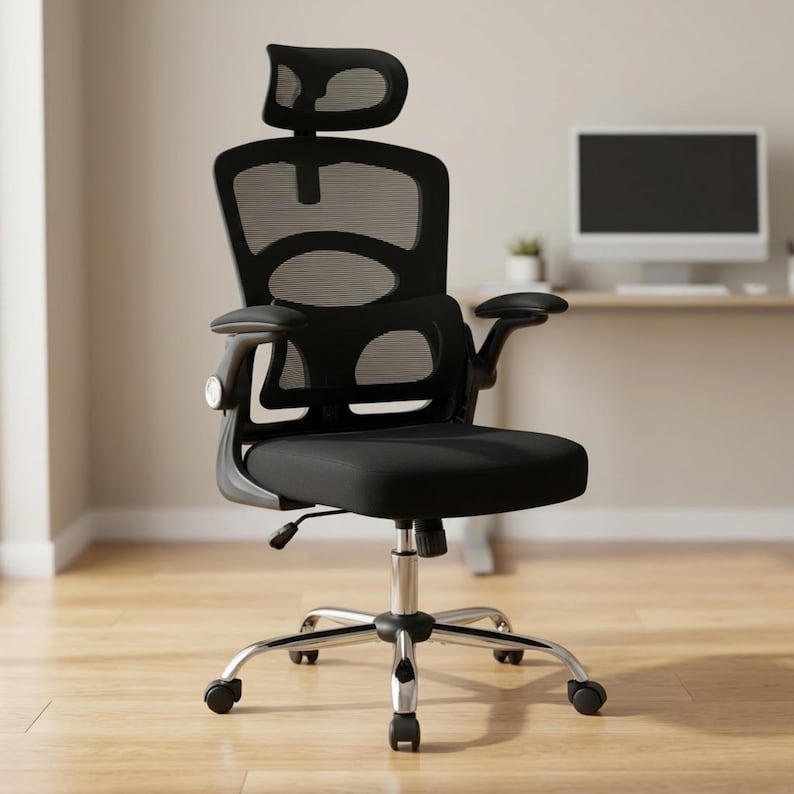
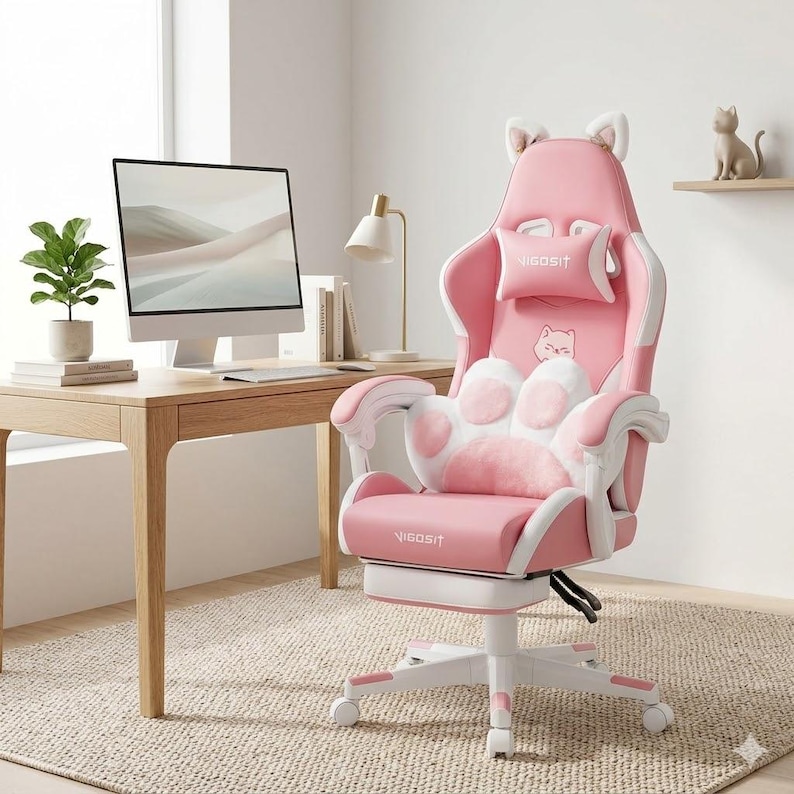
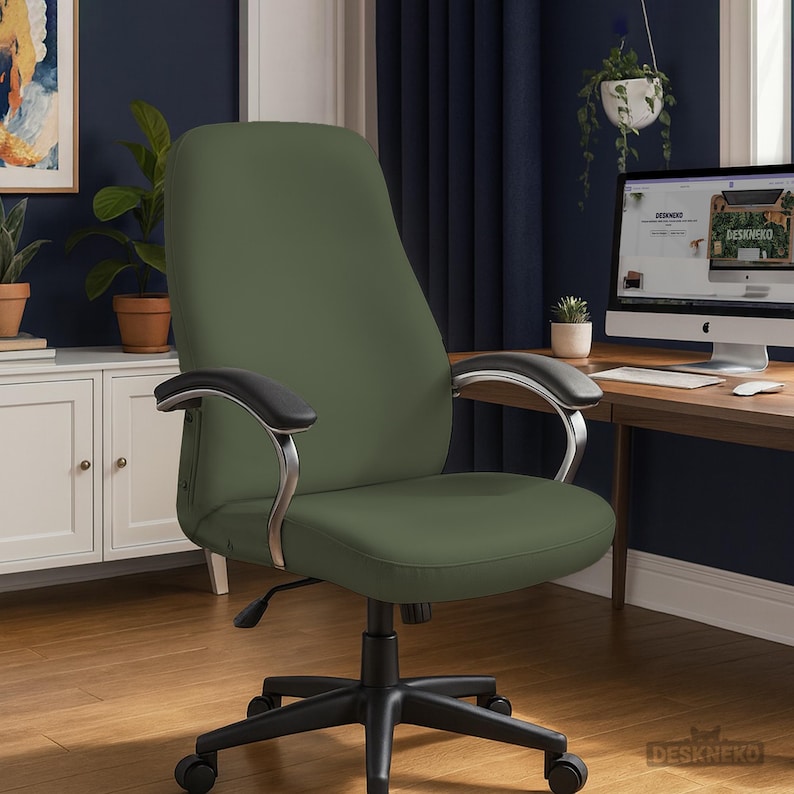
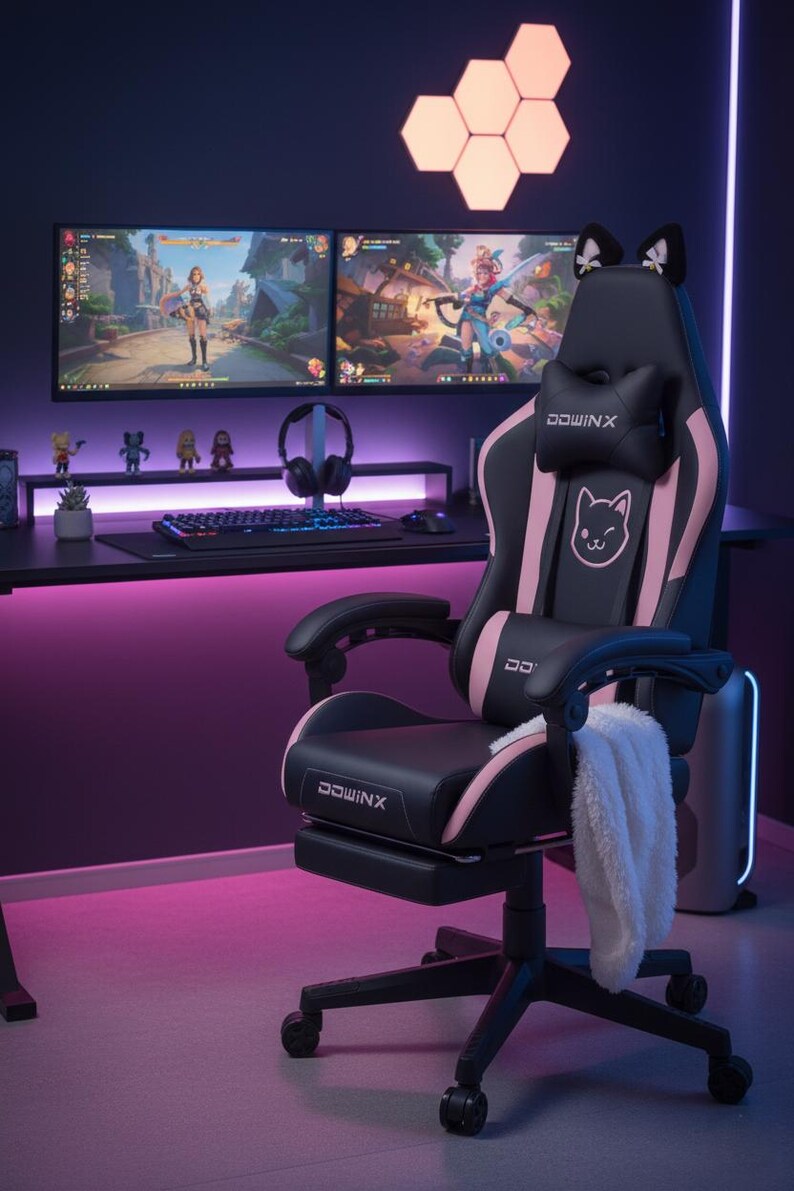
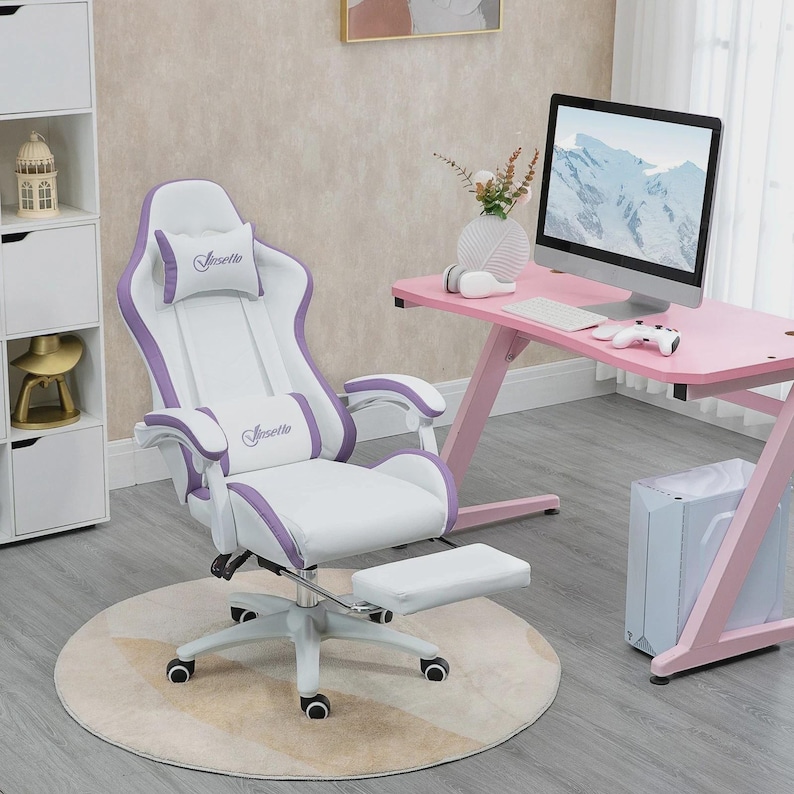
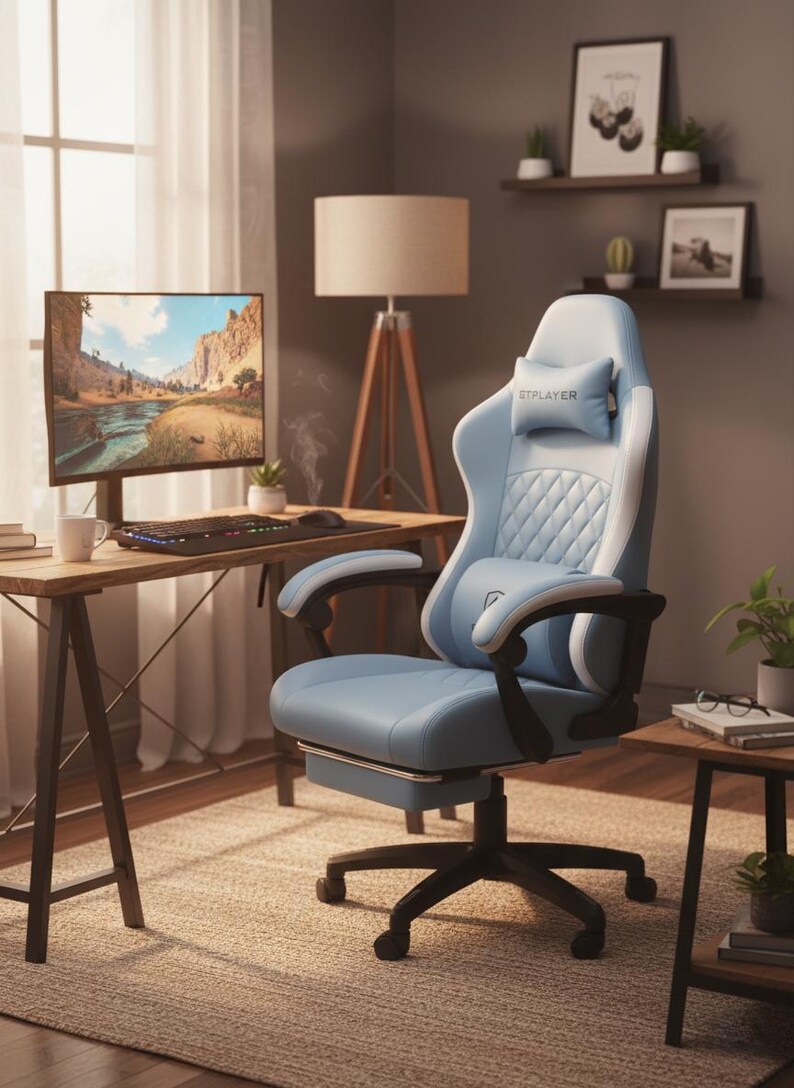
Choosing a Gamer Chair by Type, Fit, and Real Ergonomic Priorities
Look, the first smart move is separating chair categories before comparing colors, stitched logos, or influencer hype. Most buyers end up choosing between three broad formats. There is the office chair converted into a gaming-friendly option, usually cleaner in shape and stronger on posture. There is the traditional gaming chair, with a high back, bold panels, and a dramatic recline. Then there is the ergonomic gamer seat, which blends gaming style with office-grade support. Same store page. Very different experience.
The office-style model often wins on practical daily use. These chairs usually skip oversized side bolsters, which is good news because those racing wings rarely help at a desk. They reduce usable seat width and can dig into the thighs. For someone who games at night and works from home during the day, a mesh office hybrid with an adjustable headrest and armrests can be a smarter buy than a louder chair with more visual attitude than actual support.
Traditional gaming chairs still have a place. A well-made one can offer deep recline, firm cushioning, a taller backrest, and a look that matches a streaming room. The problem is that cheap versions often spend more money on appearance than mechanics. Claimed “high-density foam” sounds impressive. Sometimes it is just stiff padding that feels fine for a week, then compresses fast. A chair under heavy daily use will reveal the truth quickly.
Ergonomic gaming chairs are where the market gets interesting. Better ones focus on spinal alignment, multi-angle locking recline, 3D or 4D armrests, seat depth, and integrated lumbar support. That last point matters more than many buyers expect. A loose lumbar pillow is better than nothing, but it slides around and rarely lands exactly where needed. Built-in support, especially depth-adjustable designs, does a much better job of maintaining the natural inward curve of the lower spine. That reduces fatigue over long sessions and helps prevent that familiar slumped posture that shows up after several hours.
Fit is the part people ignore, then regret. A chair that is too large can be just as bad as one that is too small. If the lumbar bump hits mid-back instead of lower back, support is off. If the seat pan is too deep, the edge presses behind the knees. If the armrests sit too wide, the shoulders rotate outward and tension builds. A quick checklist helps:
- Seat height: feet should rest flat, knees near a 90-degree bend.
- Seat width: leave a little room at each side, without thigh squeeze.
- Backrest height: upper back and neck should be supported without pushing the head forward.
- Armrest range: height, width, and depth adjustments matter more than decorative padding.
- Weight rating: close to the limit means faster foam wear and less consistent support.
One practical example makes this clearer. A player around 5 feet 7 inches may feel swallowed by an XL model designed for someone over 6 feet, even if the bigger chair looks like better value. Meanwhile, a taller user in a compact chair will end up slouching because the headrest and back shape sit too low. Sizing is not glamorous. It is still one of the biggest make-or-break factors in the whole buying process. The right type matters, but the right fit is what turns specs into real daily relief.
Once the basic category and size make sense, the next filter is what the chair is made of and how those materials behave after months of use, not just the first unboxing weekend.
Materials, Lumbar Support, and the Parts That Decide Daily Comfort
The material on a gamer chair changes more than appearance. It affects temperature, cleaning, wear, and even whether the seat still feels good after a six-hour raid or a long evening of work plus gaming. The most common choices are PU leather, fabric, mesh, and real leather. All four can work. None is perfect.
PU leather is everywhere because it looks sharp and wipes clean fast. Spilled an energy drink or brushed snack dust onto the seat? Easy fix. But this material has a reputation problem for a reason. In warm rooms or humid climates, cheaper PU can crack or peel after a couple of years. That does not mean every synthetic finish is bad, but durability varies wildly. A bargain model may look premium in photos and age badly in practice. Tested. Seen it happen. Plenty.
Fabric tends to be a safer middle ground for many people. It breathes better, feels less sticky in summer, and usually ages more gracefully than low-cost faux leather. The trade-off is maintenance. Dust, sweat, and stains cling more easily, so occasional vacuuming and spot cleaning matter. Mesh goes even further on airflow. For players who run hot or spend very long stretches at the desk, mesh can be a huge quality-of-life upgrade. It does not trap heat the same way padded leatherette does, and quality mesh can hold shape for years.
Real leather is the premium option, and the price reflects it. It can last a long time with care and develops character rather than flaking apart. But it is not automatically the best choice for every room or every budget. If the environment is hot and ventilation is limited, even expensive leather can feel warmer than many buyers expect.
Here is where the comfort conversation gets serious: lumbar support and neck support are not luxury extras. They are the features most likely to protect the body during long sessions. The lower spine has a natural inward curve. Sit too long without support and that curve flattens out as the body slumps. Result: tension, soreness, and the familiar “why does standing up feel weird now?” moment. A built-in lumbar system with a dial or slider lets the chair support that curve more precisely than a loose cushion can.
Cervical support matters too, though it is often misunderstood. The goal is not forcing the head forward with a bulky pillow. It is supporting the neck when reclining or sitting back, especially during breaks between matches, streams, or cutscenes. A magnetic or height-adjustable head cushion usually works better than a fixed lump stitched into the backrest. Small detail. Big effect.
The same logic applies to the rest of the structure. A durable chair usually includes a steel frame, stable five-point base, and a gas lift rated for regular daily use. Premium models often use Class 4 gas lifts and denser foam that holds shape longer. Cheap chairs may advertise similar specs, but the real giveaway is how they feel after repeated adjustment and movement. Creaking, wobble, and loose tilt mechanisms tell the story fast.
| Material | Best for | Strengths | Trade-offs |
|---|---|---|---|
| PU leather | Easy cleaning, bold gaming look | Simple maintenance, sleek finish | Can trap heat, may peel over time |
| Fabric | Balanced daily use | Better airflow, softer feel | Can absorb stains and dust |
| Mesh | Warm rooms, long sessions | Breathable, consistent support | Less plush feel for some users |
| Real leather | Premium long-term ownership | Strong longevity, refined appearance | High cost, warmer surface |
One more thing worth saying clearly: ignore gimmicks first. RGB on a chair, speakers in the headrest, vibration motors. Fun on a spec card. Usually irrelevant to posture, and often one more thing to break. Material quality, real support, and structural durability matter much more than furniture cosplay. That becomes even clearer when design and buying strategy enter the picture.
Looks still matter, of course. A chair sits in full view every day, and nobody wants a supportive eyesore parked in the middle of a carefully built room.
Style, Adjustability, and Smart Buying Tips for a Balanced Gaming Setup
A good chair should fit the room as well as the body. That does not mean chasing the loudest possible design. The best style choices usually come from matching the chair to the broader gaming setup. A black mesh model with subtle stitching suits a clean desk with neutral lighting. A racing-inspired seat with white panels or red accents can work in a more expressive space with LED strips, display shelves, and themed peripherals. The trick is cohesion, not excess.
Design details are worth paying attention to. Some chairs use angular shoulders and aggressive side flares to signal “gaming,” but those shapes can reduce practical comfort. Others take a quieter route with cleaner lines, magnetic head pillows, and understated logos. Honestly, that restrained approach often ages better. Tastes change. Rooms get upgraded. A chair that looks sharp without screaming for attention tends to stay appealing longer.
Adjustability is where visual appeal has to back off and let function lead. A buyer should test, or at least verify, the following controls before purchase: seat height, recline lock points, tilt tension, armrest movement, and back support range. If a showroom test is possible, spend more than two minutes in it. Sit upright. Lean back. Rest elbows at desk level. Check whether the front of the seat presses behind the knees. See if the backrest shape feels natural or forced. A chair can feel “soft” in a quick test and still be wrong for real use.
There is a simple scenario that catches a lot of mistakes. Someone buys a chair because it looks excellent in photos and has a footrest, RGB trim, and a giant discount tag. Two weeks later, the armrests wobble, the faux leather gets sweaty, and the lumbar pillow lives somewhere near the shoulder blades. Cheap thrills. Expensive lesson. On the other hand, a less flashy chair with 3D armrests, solid recline, breathable upholstery, and proper sizing can disappear into the background in the best way. It just works.
Practical buying tips help cut through the noise:
- Measure body size first, especially height, hip width, and approximate seat depth needs.
- Match the chair to desk height, because even the best seat cannot fix a workstation that forces shrugged shoulders.
- Prefer built-in lumbar systems over loose pillows when possible.
- Check the base and casters, especially for hardwood floors or thicker carpet.
- Think beyond day one comfort, because long-term support matters more than showroom softness.
Price matters, but the smartest approach is balance. There is no need to jump straight to the most expensive model on the market. The sweet spot is often in the mid-range, where better support, stronger materials, and useful adjustment options appear without premium-brand pricing going off the rails. Buyers shopping on a tighter budget should prioritize support and build over cosmetic extras. Buyers spending more should expect not just nicer finishes, but better mechanisms and longer-lasting structure.
One final point lands harder than all the flashy selling points put together. The right gamer chair is not only about feeling good right now. It is about reducing strain over months and years, keeping posture in a healthier place, and making sure personal taste and real-world ergonomics work together instead of fighting each other. That combination, personal design plus body-specific support, is where the best choices stand out.
Questions usually come down to a few recurring sticking points, especially for first-time buyers trying to separate solid features from expensive fluff.
Is a gamer chair better than a regular office chair?
Not automatically. A well-designed gamer chair can offer excellent comfort, adjustable armrests, deep recline, and strong lumbar support. But a solid office chair may beat a cheap gaming model on ergonomics and durability. Compare the actual features, not just the category name.
What matters most when choosing a gaming chair?
The essentials are adjustable lumbar support, correct sizing, armrest flexibility, seat height range, recline control, and stable construction. Style matters, but support and fit should come first if the chair will be used for long sessions.
Which material is best for long gaming sessions?
Mesh is usually best for staying cool during extended sessions, especially in warm rooms. Fabric offers a softer balance of breathability and cushion. PU leather looks sharp and cleans easily, but it can feel warmer and may wear faster on budget models.
How can a chair help prevent back and neck pain?
A chair helps by supporting the natural curve of the lower back and keeping the upper body in a healthier position. Built-in lumbar support and a properly placed head or neck cushion reduce slouching, muscle tension, and fatigue during long periods at a desk.
How much should be spent on a quality gamer chair?
A balanced mid-range model often delivers the best value. Entry-level chairs can work for lighter use, but frequent players should aim for a chair with better materials, stronger durability, and more adjustment options. Paying a bit more for the right support usually makes sense over time.


