

Cronos: The New Dawn arrives with heavy expectations and a colder heart. The setup sounds familiar at first glance, yet the execution immediately turns uncomfortable: a retrofuture Poland snapped by temporal fractures, a mute enforcer in a hulking suit, and a corporate mandate that smells like rot. The surface reads as a collage of survival horror favorites. The sensation under the fingertips is slower, meaner, and deliberately withholding. That friction is the point. Victory never feels clean. It barely feels possible.
The studio behind it, Bloober Team, spent years orbiting other people’s legacies. This time the target is original, stitched from industrial sci-fi dread and psychological ruin. The inspirations are obvious: Dead Space for rust and viscera, BioShock for audio diaries and ideological creep, Resident Evil for hub-driven routing. The surprise is how The New Dawn takes those components and swaps the thrill of domination for the grind of survival. Players are pushed into a rhythm that rewards restraint. Ammo is a decision, not a resource. Light is a blade, not comfort. Fear builds because the tools rarely feel enough.
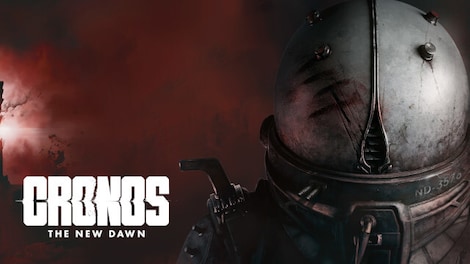
Cronos The New Dawn review overview: setting, studio intent, and the survival premise
Cronos frames catastrophe through a distinctly Eastern European lens. The alt-1980s Poland here is brutalist concrete, rotting steelworks, and suburban blocks that look abandoned mid-breath. Factories modeled after real Krakow plants lay gutted by anomalies. Streets carry propaganda posters for a faceless corporate collective. The protagonist, called The Traveler, trudges in a heavy frame that clangs with every step. That sound, paired with near-empty corridors, sells isolation better than jump scares ever could. Silence becomes a collaborator. It hovers behind every door.
Bloober’s stated aim in 2025 was to show growth beyond remakes. The studio’s craft sharpened on licensed projects, so the new IP is a wager on identity. The structure supports that goal with a slow, methodical loop. A secure base functions as a hub. From there, semi-open districts spool out into steel canyons and collapsed transit lines. Missions send The Traveler through tears in reality to collect fragments, retrieve souls, and repair timelines. Nothing is exaggerated. Everything feels weighed down by gravity and consequence.
Two devices define exploration: an antigravity suit add-on that unlocks measured vertical movement, and a temporal emitter that nudges the environment across states. A broken bridge becomes scaffolding in a different slice of time. A dead tram reanimates when shifted into an earlier loop. These solutions are not flashy puzzle showcases. They keep the brutality of the world intact. Players do not leap gracefully or solve Rube Goldberg spectacles. They scrape through, then breathe once, then brace again.
Combat leans hard into scarcity. There is no dodge button, and melee feels intentionally laborious. That design would be punitive if the game demanded constant fighting. It does not. Avoidance often makes more sense than engagement. When violence is forced, the most unnerving twist appears: corpses can fuse if not incinerated quickly. A kill that is not finalized becomes debt with interest. This single rule props up an entire economy of tension. Matches, fuel, and crafted thermite charges become insurance policies. Spend them now or risk a nightmare two rooms later.
There is an explicit acknowledgment of restraint in narrative delivery too. Cutscenes are sparse. Most context bleeds through logs, graffiti, and whispered voices that feel half-remembered. The effect nods to Amnesia and Outlast in form, but the content skews toward societal collapse and responsibility, not personal guilt alone. The Traveler absorbs memories of the fallen, and with them, changes in stat thresholds and micro-abilities. Identity shifts are visible in play, not just in lore blurbs.
Context from the wider horror ecosystem matters here. Gamescom’s stage helped spotlight several grim projects that chase similar audiences, including debuts shown alongside Resident Evil’s newest arc. For a quick refresher on that showcase energy, this report from Opening Night Live captures the mood of big-budget dread and shooter hybrids: a thrilling glimpse into the new horror shooter. Cronos sits near that lane, then veers back into survival discipline. The difference is visible the first time a room is left uncleared on purpose. Intuition says finish the fight. Prudence says save the shells.
One expectation should be clear: this is a fatigue-driven horror experience, not a power curve fantasy. Players either embrace that weight or bounce off. The clarity of that pitch is the real identity marker.
For viewers who want a quick glimpse of pacing and posture, a search reel is handy before the deeper mechanical talk.
From Dead Space and BioShock to its own identity: inspirations dissected and challenged
Comparisons are unavoidable. The industrial anatomy, the riveted alcoves, the surgical limb-shredding of certain enemies: the Dead Space lineage is right there. Audio diaries that spiral into moral arguments and managerial lies: that is BioShock’s playbook, repurposed for corporate collectivism instead of Objectivism. A central safe zone with locked doors that open as progress unfolds echoes Resident Evil’s mansion logic. Psychological spillover and unreliable memory drift nod to Silent Hill, matching what many noticed when Silent Hill returned to the conversation with newfound confidence. If curiosity about that renaissance needs context, this hands-on piece is the right detour: a surprising turn for Silent Hill F.
So why does The New Dawn not feel like a tribute album. The answer is rhythm. Those older series often create catharsis through empowerment arcs. Cronos withholds that spike. The signature twist is the corpse fusion rule. It forces intent after every kill. Players track floors like custodians of an outbreak. A stray hallway left dirty turns into a new monster with armor plates and a deeper health pool. That inversion of clean-up thinking is fresh, and it keeps rooms dangerous even after a fight. Horror lingers because nothing is settled. Even victory might be a problem.
Inventory also turns inspiration into friction. Instead of a universal stash with instant telepathy between boxes, the grid here is a traveling compromise. Mines or medkits. Fuel or shells. Chemicals combine into components for thermite or flame charges or emergency patches. These decisions are not glorified spreadsheets. They are micro-stories. A player who leaves a corridor packed with raw materials because there is no room feels the loss. That choice haunts an encounter ten minutes later. It is the opposite of Outlast, where the absence of weapons eliminates the burden of spending. Cronos asks for ownership of risk.
The temporal emitter and antigravity augment draw from a different shelf of references. They look like sci-fi gadgets out of a slick shooter, yet they operate like survival tools. Elevation is measured. Time shifts are local and narrow. It feels less like a puzzle platformer and more like controlled problem solving, closer to the quiet terror of Alien: Isolation than to a parkour showcase. In that game, hiding was power. In Cronos, planning is power. Both systems nod respectfully without copying beats.
There is still echo. Finishing animations that resemble coup de grace moments will remind players of strategic dismemberment. Environmental storytelling sometimes paints too closely inside familiar lines. A graffiti confession. A supervisor’s callous memo. These trappings work because they are performed with craft, not because they are novel. The difference lies in how the game restrains the triumphs that usually follow these beats. No rain of ammo. No sudden rush of hero music. Just a sinking exhale and the awareness that one more hallway waits.
Those pushes off tradition matter in a market drenched with homages. Look across the last few years. Remasters and returns dominated headlines, some excellent, many safe. A reminder of that remaster cycle shows up in this feature about a classic coming back three decades later: a timeless video game masterpiece returns remastered. Cronos is not a comfort return. It is a spiky new conversation starter that happens to speak fluent survival horror. That fluency, paired with a refusal to chase dopamine, is what gives it a voice.
If the goal is to honor forebears, the game does that. If the goal is to step aside from their shadows, the tension economy and clean-up mechanic do the lifting. That is the line Cronos walks, and mostly, it keeps its balance.
Atmosphere, sound, and visual design: how Cronos The New Dawn sustains fear without cheap tricks
Fear here grows from restraint. The audio bed leans on analog synth pads and choking mechanical breaths. Vent fans scrape like teeth. Elevators hum out of tune. Then the soundscape cuts to absolute black. That contrast is weaponized. The mix privileges spatial cues so that a scrape in the left rear channel causes a real pivot. Headphones uncover oxygen hiss inside the traveler’s suit, a rhythm that spikes while sprinting and fades to a low rattle while crouched. Nothing screams for attention. Everything edges into the ear from the periphery.
Lighting follows the same doctrine. Pools of illumination look like they were installed for labor safety, not drama. Emergency beacons flare to life in patterns that feel systemic. Flicker is used sparingly so it never reads like a haunted house gag. The world’s palette is putrid fluorescent green, nicotine-stained yellow, and steel-gray. When warmth arrives it usually signals memory bleed, not comfort. These choices give the environments a lived-in horror, closer to Eastern Bloc sci-fi films than to glossy space opera. Players might think of Tarkovsky’s corridors, then notice the modern grime built on top.
Enemies embody body horror without lapsing into parody. Growths do not sprout at random. They look as if industrial solvents and meat merged under pressure. When fusions occur, the resulting silhouette remains grounded in anatomy. That keeps the uncanny valley close enough to feel. The anti-shock approach becomes obvious during traversal. Long, empty spaces are common. The game avoids stacking every meter with stimuli. That absence turns doorknobs into events. It also makes a single shout down a stairwell ring like a siren.
Environmental storytelling lands because the spaces make sense technically. Rusted valves are attached to machines that map to believable functions. Vent shafts connect to pressure chambers that could plausibly exist in a steel plant. Decay is too spectacular in many horror games. Cronos lets corrosion be banal. Operators left, systems failed, time broke, and the concrete kept standing. This worldview powers some of the most chilling vistas: a tram car suspended mid-collapse, or a foundry line that still runs in another timeframe. The image of continuity despite ruin reinforces the theme of work that never ends. Fear turns existential.
Comparisons clarify those choices. Alien: Isolation built terror with realistic interfaces and careful audio occlusion. Cronos adopts that ethos but relocates it to a crumbling post-industrial nation. Amnesia chased helplessness through fragile physics and darkness as a resource. Cronos borrows the darkness and throws away fragility, replacing it with burden. The Evil Within leaned hard into surreal gore. Cronos uses gore as texture, not spectacle. The result is oppressive rather than sensational.
Not every layer works perfectly. Texture streaming struggles pop in on console builds during fast turns, undercutting a few scares when walls resolve a second too late. Character faces in flashbacks fall shy of the environmental fidelity. Some late-game scenes push the lighting system past its limits, producing slight banding. These are technical wobbles, not conceptual failures. They matter because the whole thesis relies on invisible scaffolding. When the scaffolding creaks, the spell wavers.
All that said, the presentation’s credibility keeps the tension anchored. A single whispered line in a stairwell, followed by five minutes of silence, says more than an arena of screamers. That is the method, repeated carefully until even the player’s own footsteps feel antagonistic.
Before digging into systems and friction, one more taste of pacing helps frame expectations for how combat choices intersect with sound and light.
Systems and combat: slow survival, punishing choices, and the weight of every bullet
The combat system rejects slickness. A heavy suit means deliberate animations. No instant sidestep. No panic roll. Enemies telegraph in throbbing waves rather than twitch bursts, which makes spacing and terrain management the entire game. Positioning behind pipes or along slag heaps matters. Kiting a foe into a choke point to make a thermite toss count feels thrilling in exactly the way survival horror should. Adrenaline spikes because the window for correction is tiny. Mistime a reload and the whole plan collapses.
Scarcity shapes everything. Ammunition comes in trickles. Health supplies are craftable, but only if chemicals were hoarded instead of turned into mines. The inventory grid is a quiet antagonist. Carry a torch and a coil of wire or drop the spare canister for the flamethrower. There is no elegant answer, only taste for risk. In practice, the game rewards players who plan for encounters that never happen. Clearing a room cleanly often feels like a mistake, because the cost shows up later when a fused horror appears in a hallway that could have been sterilized.
Checkpoints will divide players. They are punitive, sometimes resetting a stretch that includes a fight, a short traversal puzzle, and a resource craft. Horror purists will celebrate the tension this creates. Others will call it padding. The line is thin. What keeps it tolerable is predictable rule enforcement. If a segment takes five minutes, it takes five minutes every time. That consistency lets determination replace frustration, even if the feeling in the moment is anger.
Bosses are the soft spot. Their visual designs impress, but the mechanics rarely evolve past pattern recognition and sustained damage. The best fights force environmental use under time pressure. The weaker ones feel like HP checks, which collides with the resource economy in a way that can feel unfair. When a flamethrower tank gets emptied into a spongy target with no phase twist, the survival calculus dissolves into brute attrition. A patch could narrow those health pools without losing menace.
Exploration tools add welcome wrinkles. The antigravity module unlocks vertical entries into balconies that hide caches and unlock alternate routes, creating a sense of agency without breaking realism. The temporal emitter does the quiet heavy lifting. A collapsed artery of the city becomes navigable by pulling a section backward twelve hours. A fan loop that once scattered spores now sits still, letting a corridor be crossed. None of this is flashy. It is thoughtful. It earns the puzzle label without ever feeling like a puzzle box.
Limitations need airing. Pre-release builds on PC and console showed intermittent bugs, including enemies getting caught on geometry and a rare progress blocker when a fuse item despawned after a death. Day-one updates addressed several issues, but not all. There is also the matter of language authenticity. The world screams Poland, yet the absence of a Polish voice option lessens the cultural rhythm of dialogue. Subtitles carry meaning. They do not carry cadence.
Comparative context helps. If Outlast represented the no-weapons extreme and modern Resident Evil entries represent action-forward balance, Cronos sits nearer to the survival-first pole, with a tactical obsession reminiscent of early chapters in The Evil Within. For a wider snapshot of how Polish studios are pushing tense action forward in 2025, this companion review illustrates the high-energy flip side of the spectrum: Dying Light The Beast PC review. Cronos is the moodier cousin that smiles less and watches the door more.
Systems here cohere around one idea: survival as maintenance. Not conquest. That philosophy is rare enough to feel new again.
Want to see how that philosophy looks from a distance, under the heat of a hands-on session rather than a highlight reel. This search will surface multiple perspectives across platforms.
Story, writing, and characters: fragmented memory, corporate dread, and a culture of responsibility
The narrative backbone alternates like a metronome: sudden violence, then extended dialogue. That hard cut is jarring by design. It makes the quiet scenes feel suspicious, as if a hostile audit were happening in the background of every conversation. The Traveler absorbs the memories of those lost, and those fragments surface as flickers. Not full cutscenes. Shards. A foreman pleading with a faceless committee. A mother bargaining for a work permit. A protest flier threatening consequence. Because the timeline has been torn, truth feels corrupted. That corruption is not treated as a twist to unmask. It is a condition to endure.
The central theme pits individual responsibility against collective necessity. The corporation that contracts The Traveler talks like a savior and behaves like a creditor. The people on the ground make choices that are understandable within bad options, and the game resists clean moral grading. That is where the BioShock influence sneaks in through tone rather than plot. Ideology trickles through architecture and process, not monologues alone. The best audio logs serve as counterpoint rather than lore dumps. A safety inspector’s measurements undercut a manager’s rosy memo. A nurse’s schedule exposes systemic neglect.
Character complexity emerges more from action than from biography. The Traveler’s muteness becomes a mirror for the player’s intent. Extraction orders can be followed to the letter or subverted to mitigate harm. Small NPCs haunt the memory more than headline villains: a machinist who trades crucial components for a chance to repair a family relic, a tram operator who keeps riding a known-dead loop because the timetable says so in another time slice. These people do not exist to dispense items. They hold up a posture. Keep working. Keep going. Keep breaking.
Writing quality varies. Dialogues in calmer segments carry a clipped authenticity. Final act revelations, on the other hand, lean predictable. A sharper swerve would have suited the game’s appetite for discomfort. There is also a missed opportunity in language. Without Polish audio, some of the regional cadence flattens. Rhythms that would land harshly or tenderly in native delivery sound workmanlike in English. Subtlety still comes through, but less frequently than it might.
Even with those caveats, the ending resonates on theme if not on surprise. Repair work never ends. Memory does not restore cleanly. Systems change slowly, if at all. Those conclusions feel earned because the player spends hours performing tedious, unglamorous maintenance under pressure. The text and the mechanics agree.
Horror lineage weaves in and out. There is quiet nodding to Silent Hill’s psychology in the way guilt echoes without theatrics. There are moments of industrial body horror that flirt with Dead Space’s explicitness and then pull back. There is a final chase that uses the camera like Alien: Isolation, leaving the monster mostly off-screen. The mash-up texture never dissolves into parody because the themes tie it together: work, consequence, and the cost of repair.
For broader industry context, Gamescom remains one of the few stages where survival horror tone pieces can sit alongside blockbusters and still hold the room. This preview primer explains why that event keeps shaping release calendars and tonal expectations: Gamescom ONL remains a must-attend summer stop. Cronos carries that mood into a full release, keeping the focus on dread over spectacle.
All told, the story asks for patience and gives back a world that makes moral fatigue feel tactile. That exchange is rare, and it sticks.
Genre standing and 2025 reception: what Cronos The New Dawn nails, where it stumbles, and why fans of survival horror should care
Positioning matters in 2025. Horror has split into three popular tracks. There is full-action catharsis, where upgrades explode and monsters pulp under high DPS. There is stealth-panic minimalism, where hiding is the only tool. Then there is survival as discipline, where the joy comes from making shrewd, almost boring choices that prevent disaster. The New Dawn plants its flag in the third camp and refuses to budge. That conviction is the headline achievement.
What does it do better than peers. The resource economy feels coherent, not simply tight. The corpse fusion rule converts cleanup into stakes. The temporal emitter makes traversal puzzles feel like worksite problem solving rather than magic tricks. Sound design avoids the big orchestral jump and instead dials up machine breath and spatial unease. The antigravity augment introduces verticality that suits the protagonist’s heaviness instead of hiding it. These systems harmonize around a thesis: survival is maintenance. That kind of clarity is rare.
Where does it stumble. Boss design lapses into HP sinks. Checkpoints will prove too harsh for players who tolerate repetition poorly. A thin layer of bugs at launch caused pockets of frustration. Visual fidelity inside flashbacks lags behind environment work. The absence of Polish VO narrows the cultural bite. None of these faults break the game. Together, they do sand down what could have become an undisputed new benchmark.
Reception among critics and players reflects that mix. Early reviews cited the oppressive atmosphere and inventive risk economy as standouts, while dinging repetition in climactic encounters. Community sentiment consistently highlights the dread that lingers between fights. A common thread on social channels: the game is exhausting in a good way, until a couple of late bosses tip from tension into tedium. Those are fixable with tuning. The foundation looks sturdy.
It also slots cleanly into a larger conversation about homage and originality. After a cycle dominated by sequels and returns, audiences have shown a willingness to embrace titles that reframe familiar parts. The media landscape still celebrates classic comebacks, as seen in deep dives like this one on a restored favorite: three decades later, a masterpiece returns remastered. Cronos argues for synthesis rather than revival. That argument feels healthy for the genre.
One more note on industry cadence. Big showcases mix tones and subgenres recklessly, which can blur expectations. Projects teased alongside Resident Evil entries or adjacent to new psychological horror experiments risk being misread as clones. Pieces like this ONL round-up help calibrate those expectations and spot the differences early: opening night live highlights. In that light, Cronos stands out because it moves slower and asks for discipline, not because it screams louder.
Finally, a quick personal compass for fans of specific substyles. If Amnesia and Outlast are comfort zones, the lack of a full stealth emphasis may feel unfamiliar, but the slow-simmer dread will resonate. If the favorite loop involves the balance of puzzles and pressure in Resident Evil, the hub-district structure will feel instantly readable. If the industrial despair of Dead Space sets the mood, the body horror and weld-shop detail here will land. For those more tied to aggressive empowerment or constant spectacle, expectations need adjusting.
Horror expands when studios take calculated risks. Cronos takes several and invites debate about the boundaries of survival design. That is a good sign for where the genre heads next.
One last broader cultural link for readers who track horror’s shifting center of gravity: the ONL preview ecosystem that elevated Silent Hill F and other projects is still shaping taste and timelines. This explainer breaks down why that matters: why Gamescom ONL still sets the tone. And for a flashback to how classics inform modern design even now, this reflection lands the point with perspective: a remastered classic shaping new work. The throughline is simple: horror thrives when craft meets conviction.


