

A modern Toolbox isn’t just a metal box full of wrenches anymore. It’s a tight, practical Setup that can handle a loose laptop hinge, a drifting mechanical keyboard switch, a shaky USB-C connection, or a mystery power issue on a desk lamp without turning a living room into a disaster zone. That’s the real shift: the “toolbox” has become part electronics bench, part tidy workstation, part sanity-preservation system. And yes, it matters for people who never plan to “repair a phone,” but still want to swap an SSD, clean a console, mount a monitor arm, or stop cable spaghetti from eating half the desk.
Temu sits right in the middle of that trend because it makes small, specific Tech Accessories affordable enough to buy proactively instead of only after something breaks. So the smart move is building a toolbox like a reviewer would, focusing on the bits that deliver real Efficiency per dollar, plus a few Gadgets that make Organization feel effortless. The goal here is a tech-first, DIY-friendly kit that’s compact, usable, and easy to maintain, not a drawer full of random metal objects.
Essential Tools for a Modern Toolbox with Temu Tech Accessories
Start with the tools that touch devices directly. Small screws, thin plastics, delicate connectors. The good news: the essentials are simple and repeatable. Get the right drivers, measure parts correctly, manage cables so nothing gets yanked, and diagnose basic electrical problems safely. Everything else can come later.
Precision Screwdriver Set for laptops, phones, and tiny fasteners
The backbone of a modern tech Toolbox is a precision driver kit. Temu’s 117/132/128pcs Precision Screwdriver Set is positioned for exactly that role: computers, mobile phones, watches, and other small electronics. What matters is the bit steel and fit, not the piece count printed on the listing thumbnail.
The listed material, Chrome Vanadium Steel, is a legit choice for wear resistance and corrosion control. It won’t magically prevent cheap machining, but it sets a baseline. For real-world device work, the head styles listed (flat, internal hex, Torx) cover the screws that show up in laptops, game controllers, and keyboard cases. Torx is the one that saves the day when Phillips starts camming out.
Small details help more than people expect. A non-slip grip and a non-skid bottom sound like filler specs until a driver rolls off a desk mid-teardown. Losing a single screw inside a laptop chassis is a special kind of annoying. The quick lesson: prioritize control and consistency. A kit like this is for repeated use, not a one-time hero moment.
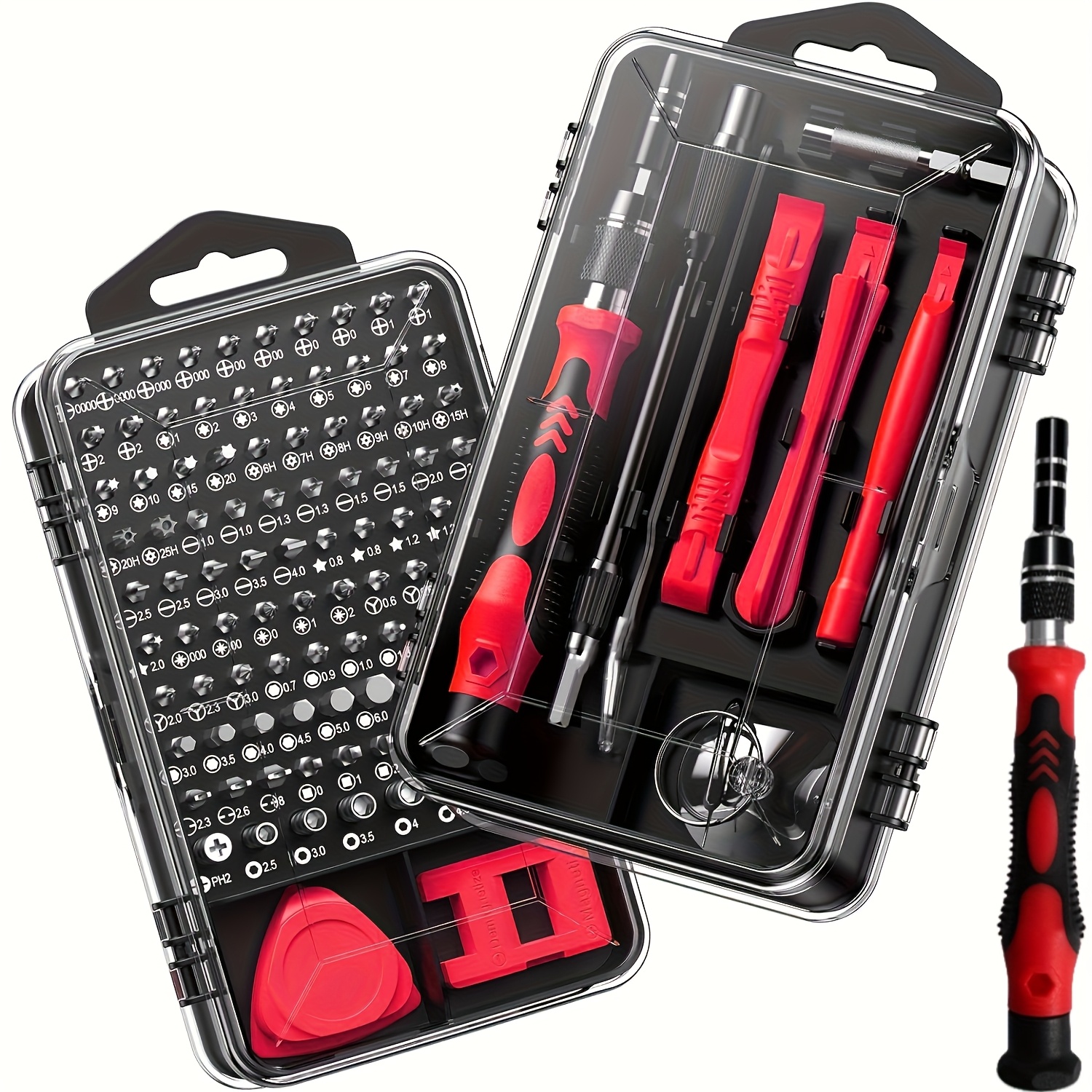
Precision Screwdriver Set
Digital measuring tools that keep DIY upgrades honest
Digital calipers are the quiet MVP for DIY tech projects. The Temu listing for 150mm 100mm Electronic Digital Calipers targets inside and outside diameter measurements, which is exactly what’s needed when checking a standoff length, confirming keycap stem tolerances, measuring thermal pad thickness, or verifying whether a 2280 SSD heatsink will clear a laptop bottom cover.
The housing being ABS and the origin details aren’t glamorous, but the format matters: compact, quick to read, easy to toss into a bag. A caliper gets used when eyeballing fails. That’s the point. A builder in a small apartment can measure a missing screw and order the correct replacement instead of buying a variety pack and hoping.
One practical scenario: a custom keyboard hobbyist trying to reduce case ping often adds foam or silicone. Thickness is everything. Too thick and the PCB flexes. Too thin and nothing changes. Calipers make the experiment repeatable, not vibe-based. That’s Efficiency in tool form.
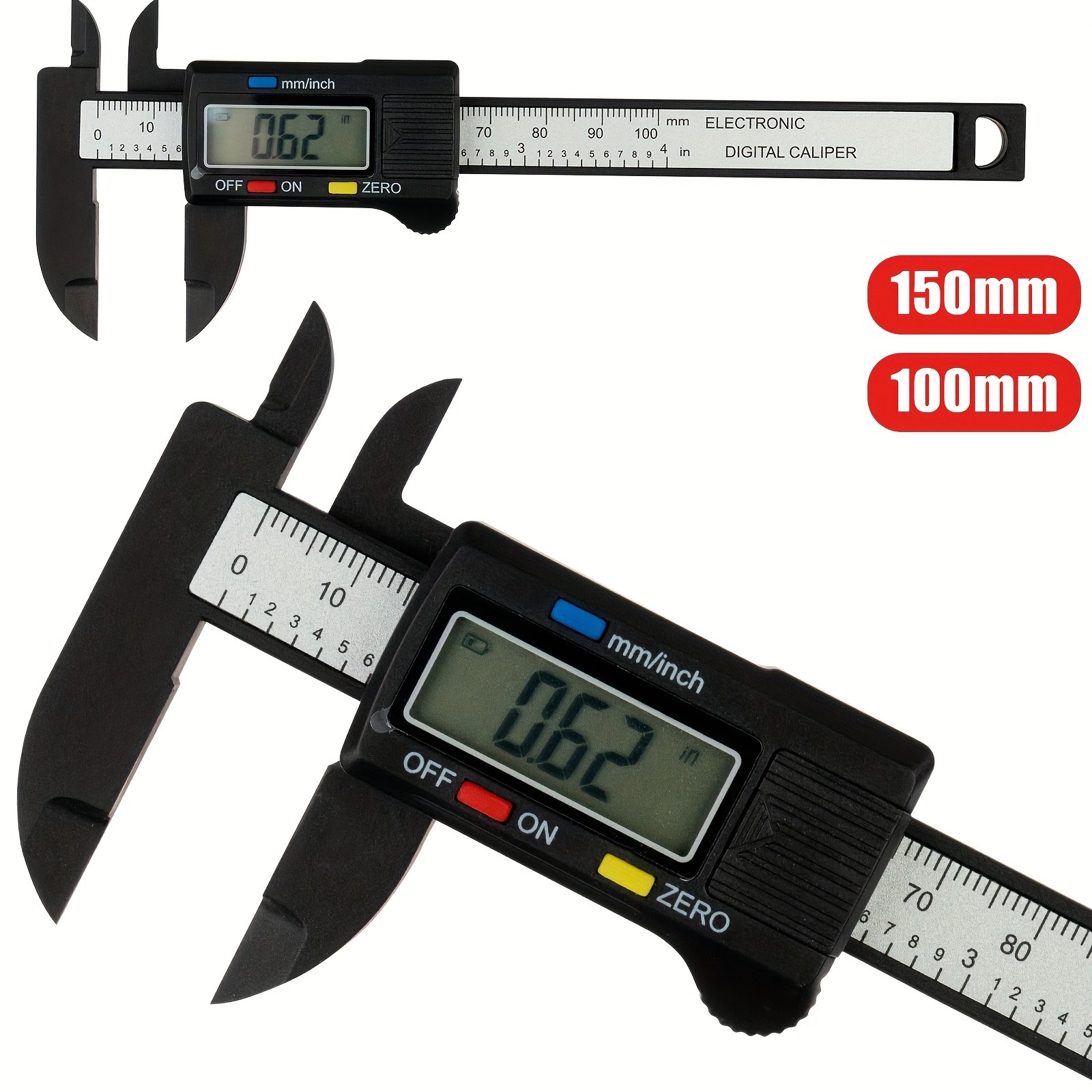
Electronic Digital Calipers
Cable management solutions that prevent desk chaos
Nothing ruins a clean workstation faster than a loose loop of cable catching a chair wheel or dragging a USB hub onto the floor. Temu’s Reusable cable tie straps (hook and loop style) are basic, but they solve a real problem: maintaining Organization without committing to permanent routing.
The listing highlights Polyamide material and multi-color options. Color sounds cosmetic, but it becomes functional fast. One strap color for display cables, another for power, another for peripherals. Suddenly troubleshooting stops being a scavenger hunt. Pull the right bundle, test the right connection, move on.
The best part is reversibility. A tech Setup changes constantly: new mouse, new mic, different monitor. Hook and loop straps let the system evolve without leaving adhesive residue or requiring a new pack of single-use zip ties every month. People talk about cable management like it’s aesthetics. It’s also safety and uptime.
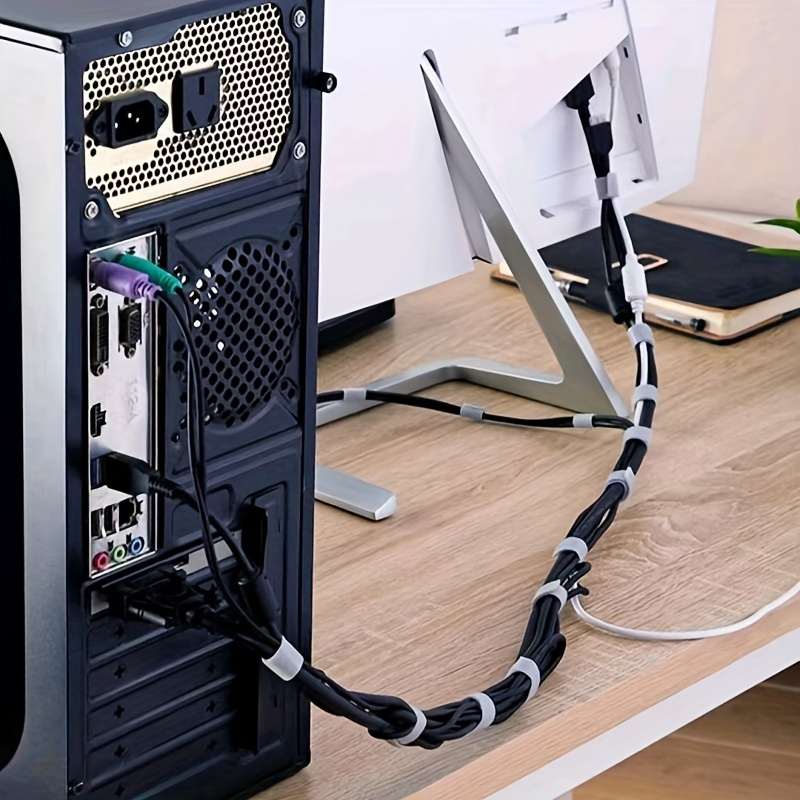
Reusable cable tie straps
A basic multimeter for fast diagnostics, not heroics
A multimeter is the line between guessing and knowing. The ANENG SZ06 2000 Count Smart Digital Multimeter is marketed as automatic selection of measuring function and range, with overload protection and auto shutdown (listed at 15 minutes). Those are user-friendly features that matter when someone is learning.
The safety ceiling in the listing is clear: 600V DC or 600V AC max between measuring end and ground. Most home tech tasks sit far below that. Think checking whether a wall wart is dead, verifying a USB cable’s continuity, confirming polarity on a barrel connector, or testing AA batteries before tossing them. The display updates around 3 times/second, which is responsive enough for basic troubleshooting.
Accuracy specs in listings can be messy, but the functional ranges are usable: DC voltage from 200mV to 600V, resistance up to 20MΩ, DC current up to 10A. This is not a lab instrument. It’s a practical diagnostic tool for a tech-focused toolbox. A concrete use case: an older mechanical keyboard that randomly disconnects. A continuity check on the cable and connector can narrow the issue in minutes, before anyone starts blaming the firmware.
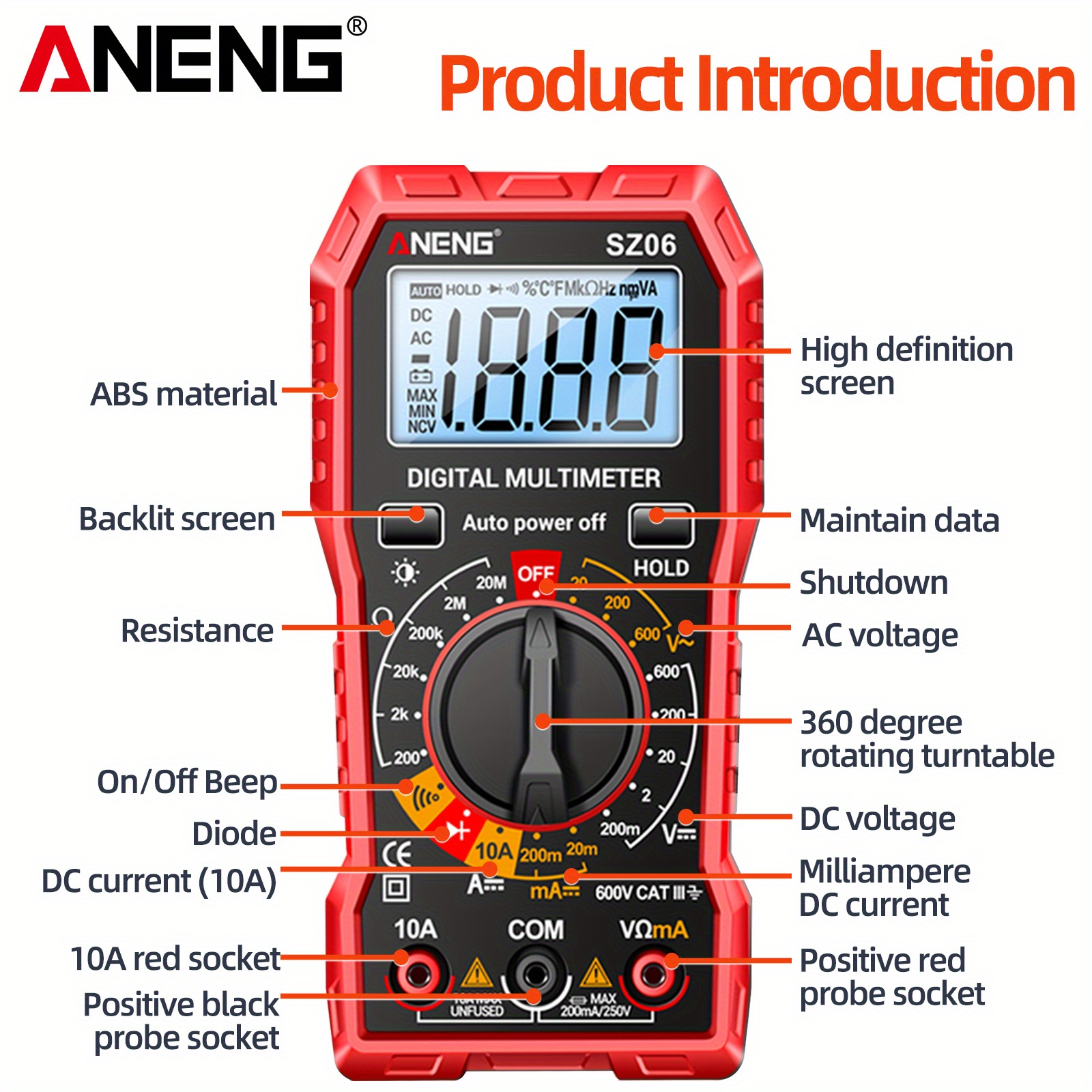
Digital Multimeter AC/DC Voltage Meter
Building a Temu Toolbox Setup That Stays Organized Over Time
Buying the tools is the easy part. Keeping them usable is where most toolboxes fail. The typical pattern is familiar: bits spill into a drawer, calipers lose their case, cable straps vanish, the multimeter leads tangle into a knot that feels personal. The fix is treating the toolbox as a system, not a pile of objects.
Define zones inside the Toolbox (fast access beats perfect symmetry)
A tech toolbox works best when it has “zones” that match real tasks. One zone for opening devices (drivers, spudgers if available, tweezers if later added). One zone for measurement and verification (calipers, small ruler, maybe a notepad). One zone for power and signal troubleshooting (multimeter, spare batteries, a short USB cable used only for testing).
That zoning reduces tool drift. When a keyboard needs a quick repair, the hand goes to the correct pocket without thinking. This matters because tech repairs usually happen in short bursts between meetings, classes, or deadlines. A toolbox that requires a full unpacking ritual won’t get used. It’ll get ignored.
Also worth noting: some of Temu’s appeal is that it encourages stocking “just in case” items. Without zoning, that becomes clutter. With zoning, it becomes readiness.
Make cable management part of the workflow, not a weekend project
The reusable hook and loop straps should live where the cables live. That sounds obvious. It rarely happens. Put a small bundle of straps inside the toolbox and another bundle near the desk, because the desk is where cables get swapped. Then use them immediately when a new gadget is added.
A practical example using a fictional but realistic character: Sam, a freelance designer, adds a USB audio interface for calls. The interface needs power and data, and it sits near a monitor stand. Without straps, two cables end up dangling, pulling on ports. With straps, the cables route along the stand and down the back. The interface stops sliding. The ports last longer. That’s not “clean desk culture.” That’s hardware longevity.
Use measurement to prevent buying the wrong accessory twice
Digital calipers don’t just measure. They prevent returns and repeat purchases. Anyone doing small upgrades has been there: order a part, it doesn’t fit, order another, it still doesn’t fit, then the project stalls. Calipers reduce that loop.
Measure the clearance inside a mini PC case before ordering a taller heatsink. Measure the diameter of a worn grommet before replacing it. Check the thickness of a thermal pad before stacking layers like a sandwich and hoping for the best. People love calling this “overkill.” It’s the opposite. It’s Efficiency.
Don’t treat the multimeter like a trophy
Multimeters get bought, then sit unused because people feel they need “electronics knowledge” to touch them. Not true. The smart usage pattern is basic and repetitive: check voltage on an adapter, check continuity on a cable, check a battery before it goes into a remote. That’s it. Those three checks solve a surprising amount of daily tech friction.
One hands-on anecdote that fits real life: a mini driver from a Temu kit was used to open an old mechanical keyboard case, then a multimeter confirmed a flaky USB cable was the real culprit. Five minutes. No parts cannon. That’s the toolbox paying rent.
Next comes the money question: why build this kit on Temu at all, and how to avoid the trap of buying cheap stuff that never gets used?
Why Temu Is Ideal for Building a Budget-Friendly Tech Accessories Toolbox
Temu is a effective place to build a starter toolbox because it’s optimized for small, niche items that big-box stores price like luxury add-ons. A precision bit set at a hardware store can cost more than an entire entry-level kit online. Sometimes that premium is justified. Sometimes it’s pure packaging and branding. The trick is knowing where “good enough” is genuinely good enough.
Price makes proactive buying possible (and that changes behavior)
Most people don’t buy tools until they’re forced. That’s why repairs feel stressful. Temu’s pricing pushes the behavior in the other direction. It becomes reasonable to buy the basics before a laptop starts rattling or a controller starts drifting. That shift is the real advantage: the toolbox exists before the problem arrives.
Temu also makes it easier to build redundancy without guilt. Two packs of reusable straps cost less than a single fancy cable organizer at a boutique brand. One set lives in the toolbox, one lives in the desk drawer. The result is less improvisation with tape and random twist ties.
A concrete starter kit basket with real numbers
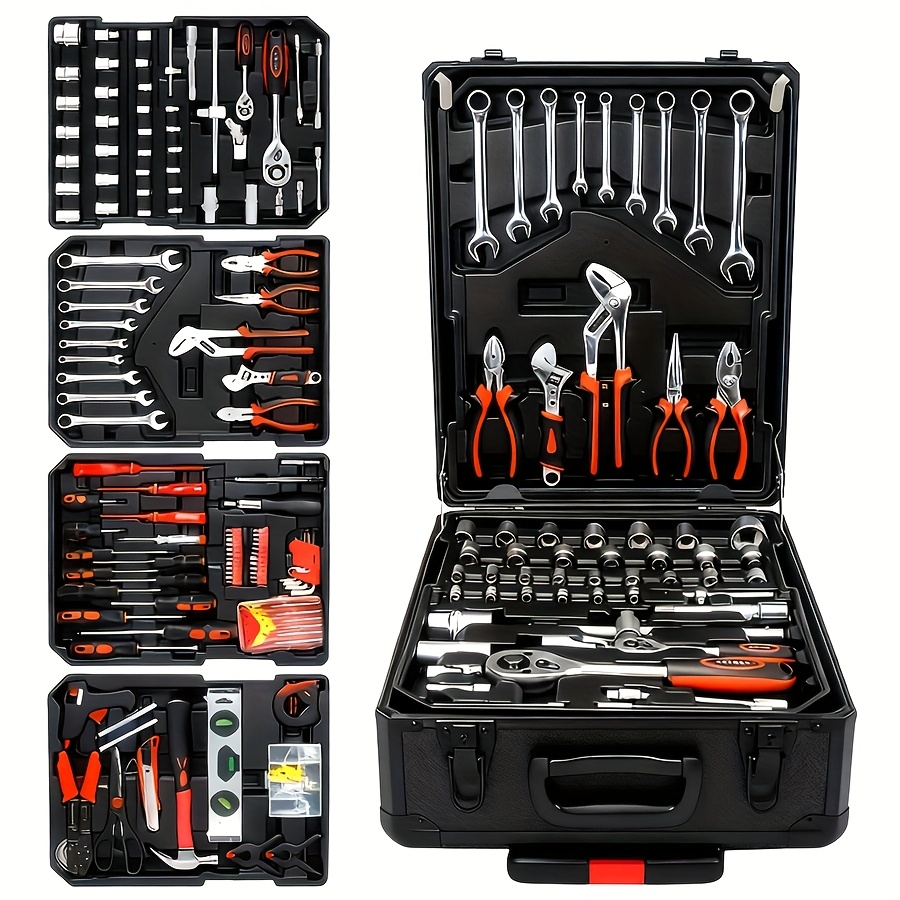
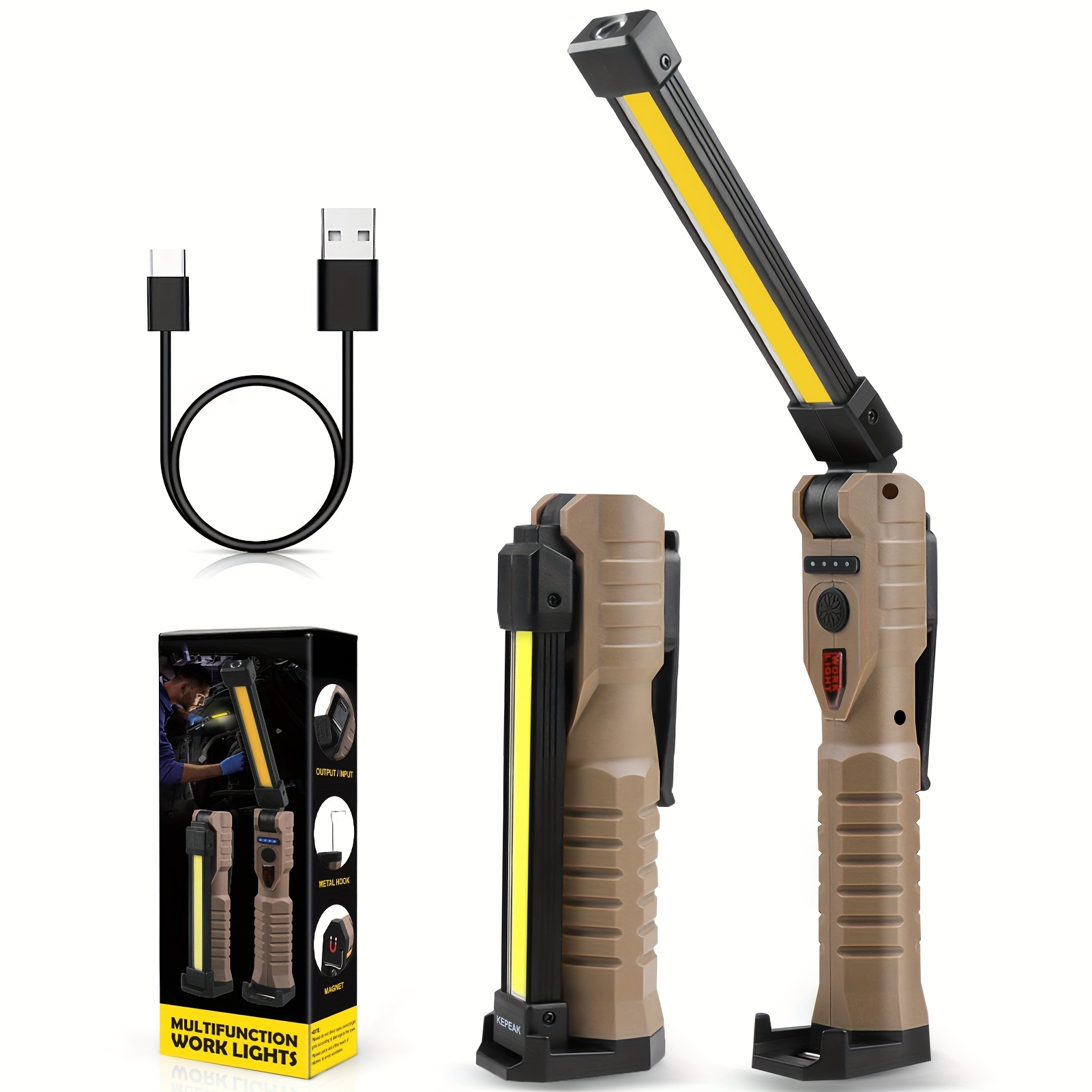
A practical “starter kit” built from the items listed can look like this: Precision Screwdriver Set at $5.06, Electronic Digital Calipers at $3.72, Reusable cable tie straps at $0.50, Digital Multimeter AC/DC Voltage Meter at $6.07, a 52pcs Professional Tool Set at $9.16, and Rechargeable COB LED Work Lights at $7.44.
That’s a complete baseline kit for a tech-focused DIY toolbox at roughly $31.95 before shipping and tax, depending on region and promos. It covers opening devices, measuring parts, cleaning up cable routing, basic electrical diagnosis, general-purpose hand tools, and lighting. Lighting matters more than people admit. A bright work light is the difference between spotting a stripped screw head and destroying it.
How this compares to pro tools without dunking on them
Professional tool brands earn their pricing with tighter machining tolerances, better steel treatment, and consistent quality control. A high-end driver will outlast a cheap one. No argument. But many tech tasks are low-torque. They don’t need a $60 driver handle to be safe and effective.
| Criteria |
ANENG SZ06 (everyday / Temu)
|
Professional multimeter

|
|---|---|---|
| Measurement range | Up to 600 V AC/DC, 10 A DC, resistance up to 20 MΩ – enough for home appliances and small electronics. | Often up to 1000 V and higher current ranges, covering industrial panels and three-phase systems. |
| Accuracy | Approx. ±(1.0% + 5 digits) – good for quick checks and basic troubleshooting. | Typically between ±(0.05% and 0.3%) – critical for precise maintenance, calibration, and diagnostics. |
| Functions | Auto‑range, continuity with beep, diode test, data hold, backlight, auto power‑off. | Adds frequency, capacitance, temperature, Min/Max recording, advanced filtering, and sometimes PC or app connectivity. |
| Safety | Basic fuse protection and max 600 V; suitable for low‑voltage and household work when used correctly. | Higher safety category ratings (CAT III / CAT IV), better input protection, and more robust overload design. |
| Build and durability | Light ABS housing, compact and easy to carry – ideal for occasional or hobby use. | Rugged housing, better impact resistance, and often rated for harsher job‑site environments. |
| Ergonomics | Small, lightweight, simple interface; great as a first multimeter or for quick checks. | Larger, clearer display, more precise selector dial, and stable stand for frequent daily use. |
| Power supply | Runs on 2× AAA batteries; easy to replace, decent runtime. | Often uses a 9 V or high‑capacity batteries, sometimes rechargeable, optimized for long sessions. |
| Typical price | Around $15–$25 on Temu, very budget‑friendly for what it offers. | Roughly $120–$300+ depending on brand and features – a long‑term investment for intensive use. |
| Best for | Home users, beginners, DIY electronics, and quick basic diagnostics. | Electricians, field technicians, industrial maintenance, and demanding professional environments. |
So where does it make sense to save money? Cable straps, basic calipers for non-critical measurements, work lights, and general-purpose kits are usually safe bets. Where should people be pickier? Precision bits that must fit tiny screws. That doesn’t mean “avoid Temu.” It means inspect, test, and check specifications carefully..
That leads into the final practical layer: how to shop smart on Temu so the toolbox ends up useful instead of random.
Smart Shopping Rules for Temu Tools and Storage Solutions in a Modern Toolbox
Read the spec lines that matter, ignore the decorative ones
Some listing fields are fluff. Others are the core. For the screwdriver set, the important bits are the Chrome Vanadium Steel claim, the bit variety (Torx especially), and grip features that prevent slips. For the calipers, the important detail is the measurement use case (inside and outside diameters) and a readable LCD. For the multimeter, the meaningful items are clear safety limits (like the 600V maximum) and overload protection language.
Ignore color unless it helps workflow. Orange, blue, purple. Fine. If color helps locate the kit fast in a drawer, it has value. If it’s just for aesthetics, it’s background noise.
Plan for Organization and Storage Solutions from day one
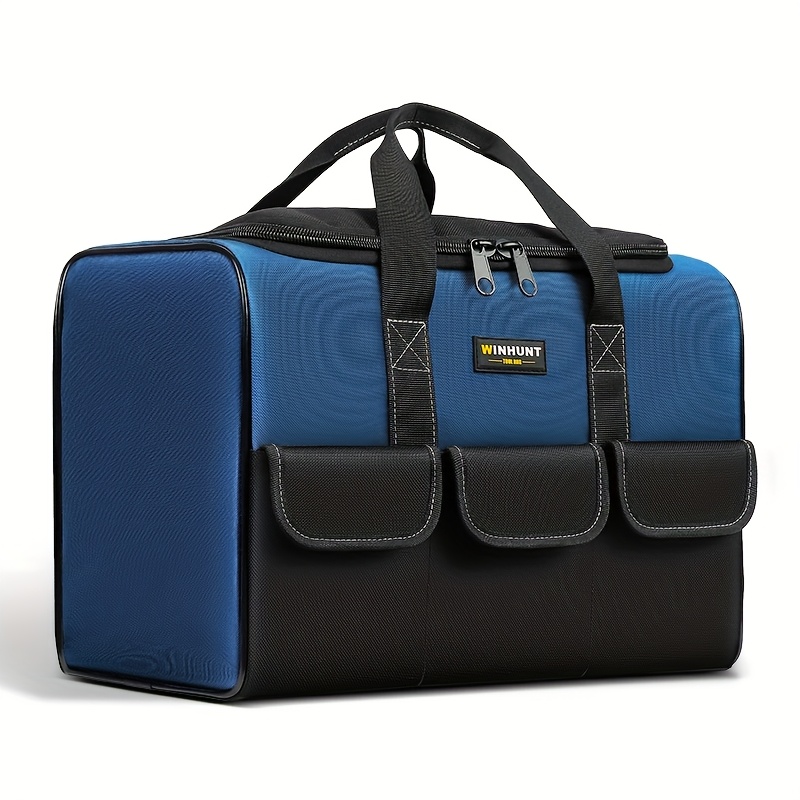
Storage Solutions are not separate from the tools. They are the multiplier. A precision kit without a stable spot becomes a “missing bit” story. Cable straps tossed into a drawer become “where did they go” frustration. So, give every item a home inside the toolbox, and keep that home consistent.
A simple pattern works: drivers in their case, calipers in a sleeve or small pouch, cable straps looped together, multimeter with leads wrapped gently, not knotted. It’s boring. That’s why it works.
Heavy Duty for tool Bag with Wide Mouth
Do one verification test per tool as soon as it arrives
Here’s the deal: the fastest way to avoid disappointment is to test immediately, not three months later when a repair is urgent. Use the screwdriver on a sacrificial device (an old keyboard case or a spare laptop bottom plate) and confirm the bits seat cleanly. Use the calipers to measure a known item like a coin or a drill bit shank, then repeat the measurement a few times to check consistency. Power on the multimeter and verify it reads a fresh AA battery around 1.5V, then confirm continuity on a spare cable.
Those checks take maybe ten minutes total. They turn a cheap purchase into a trustworthy part of the Setup.
Real-World DIY Scenarios That Prove a Temu Toolbox Earns Its Space
A toolbox feels theoretical until it saves a project. The most convincing argument is a set of situations that happen constantly in 2026 homes and apartments, where tech is everywhere and downtime is expensive.
Scenario: a wobbly laptop hinge and the right driver at the right moment
A common issue: a laptop hinge starts feeling gritty, then the screen angle won’t hold. The fix is often simple tightening, sometimes a bracket adjustment, occasionally a deeper repair. Without a precision driver set that includes the right Torx bit, the attempt stalls immediately. With the correct bit, the back panel comes off cleanly, screws survive intact, and the hinge screws get checked without stripping.
In that moment, the difference between a usable kit and a bad one shows up fast. Bits that fit poorly chew screw heads. A decent fit feels stable. This is why the driver set is the “buy first” item in the toolbox.
Scenario: a messy desk that causes real connectivity problems
People think cable mess is cosmetic until a USB-C hub starts disconnecting from tension. A reusable strap fixes routing in minutes. The hub stops dangling. The cable stops bending at a sharp angle. Connection stability improves because the physical strain is gone.
That’s the less obvious value of Organization. It isn’t about looking tidy for photos. It’s about reducing wear, keeping ports aligned, and making troubleshooting faster when something does go wrong.
Scenario: a “dead” gadget that only needed diagnosis
Plenty of Gadgets are declared dead when the real culprit is power. A multimeter ends the guessing. Check the adapter output. Check continuity on the cable. Check the battery. The tool doesn’t need to be fancy to answer those questions.
One more detail that matters: the ANENG SZ06 mentions auto shutdown and a backlit screen. Those features sound minor until the meter gets left on by mistake, or the testing happens behind a PC tower where light is terrible. Small conveniences keep tools usable, which keeps them in rotation.
Scenario: measuring before buying saves money and time
DIY projects fail quietly because of millimeters. A heatsink that’s too tall. A standoff that’s too short. Foam that makes a keyboard plate bow. Digital calipers catch those issues early. They also help when ordering replacements, because a measured spec beats a guessed one every time.
The insight that sticks: a modern toolbox isn’t about owning more stuff. It’s about building a repeatable process that turns little tech headaches into short, controlled fixes.


