

NBA 2K26 lands with a clear thesis: offense wins, and power shapes every possession. From the first tip on PlayStation and Xbox to late night scrims on a 4K display, the game sells the feeling of control with expanded ProPlay capture, smarter spacing, and a harsher shooting window online. Animations are richer at the elbows and on the block, post footwork now triggers signature counters that finally resemble broadcast angles. What jumps out is the texture of motion. Body positioning matters on drives. Shoulder angles change collision outcomes. Contact dunks feel punished by fatigue, then amplified by momentum and badge synergy. The court breathes in ways last year did not, and that lift makes a simple high pick and roll or a Horns flare screen sequence worth running again.
The headline pairing is no accident. Shai Gilgeous-Alexander and LeBron James define the meta by craft and force. Shai’s slithery steps and long strides, LeBron’s shoulder leverage and downhill gravity, both rebalanced to rule half-court offense. Season 1 plants a flag with a strict green or miss timing online, new alley-oop inputs that replace autopilot finishes on higher difficulties, and a catch and shoot prep that speeds releases if the left trigger is held before the catch. MyCareer trims the fat, MyTeam folds in the WNBA for deeper rosters, and MyNBA keeps the historical eras alive with quality of life tweaks. It is not a gentle launch for defenders or inconsistent shooters. It is, however, a confident simulation that rewards hours of practice in the 2K Tutorial and punishes gambling in the lanes. The result: a slicker, tougher NBA 2K that demands intention on every touch.
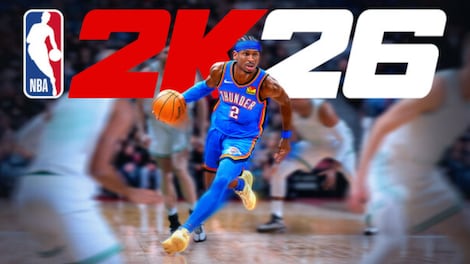
NBA 2K26 Gameplay Experience: Immersion, Controls, and Realism Where Offense and Power Dominate the Court
NBA 2K26 pushes immersion by widening the gap between casual input and deliberate execution. ProPlay’s expanded capture set now covers post counters, which is a quiet revolution for half-court authenticity. Holding the left trigger to seal, then nudging the left stick up triggers authentic post signatures. Think a tight shoulder feint, a weight shift, then a high release that looks like broadcast replay. The famous Jokic one foot fader style move appears as a believable option when the defender shades baseline. That nuance bleeds into the rest of the floor. Bounce pass logic upgrades too, with a double tap on the bounce button firing off-axis darts that hug the sideline and avoid lazy interceptions. Screens can be steered in flight by holding the screen button and flicking the right stick, which solves the old problem of setting picks to nowhere.
Shot prep matters more than ever. A catch and shoot can be accelerated by preloading with the left trigger before the ball arrives. It sounds minor, yet in rhythm it unlocks corner specialists and trail threes after defensive rebounds. Alley-oops change at higher difficulties and online tiers. The finish input now arrives as a last second random face button prompt. No more autopilot oops, which curbs the panic outlet lob that bailed out stagnant possessions last year. This pair of changes encourages better spacing and timing, not just badge hunting. The 2K Tutorial backs it all up with clear drills. Users can rehearse shot timing per mode, then write muscle memory that transfers between Park, Rec, and Pro-Am builds.
Physicality sits at the center. Contact is cleaner, especially on downhill drives. Hidden math around strength, weight, and takeoff angles was clearly tuned, and it shows when a power wing meets a skinny rim protector at the dotted line. Two foot gathers carry more inertia. One foot takeoffs offer sneakier angles but less knockback. The meta already favors taller guards in Park, roughly 2.01 to 2.03 meters, because wingspan plus finishing windows beat shorter ball handlers who rely only on speed. That choice illustrates the new axis of control: pick a body, accept its physics, then build moves around it.
Broadcast presentation deepens the illusion. Player skin shading looks better under arena lights, sweat builds convincingly in the fourth quarter, and arena sound mixes sell geography. A Memphis home game hits different than Boston. HyperX headsets bring out subtle crowd call and response, like organ stabs that sit under commentary. A Gatorade training facility session still delivers the brand splash, yet the upside is practical. Training mini games boost attributes tied to badge progression, so the logo parade has tangible value. Street play benefits from the same polish. Blacktop ball audio, complete with a gritty Spalding bounce in the practice gym, lands with a satisfying thud that communicates grip and pace changes.
Performance on PlayStation and Xbox is stable in the launch window. From the dashboard to a quick play tipoff measures around 19 to 23 seconds depending on mode and network state. Camera pans feel smoother at 60 frames, and traversal across the smaller City map avoids last year’s texture pop. One caveat deserves attention. Online input timing can fluctuate under heavy server load, and that hits hardest in a strict green timing model. Not every evening will have the same release feel. Season 1 notes promise no gameplay tuning until October, so muscle memory built now will carry value for weeks. The strong takeaway: the systems favor planned basketball, not chaos.
Shai Gilgeous-Alexander and LeBron James in NBA 2K26: Signature Styles That Tilt Every Possession
Shai Gilgeous-Alexander gets the most convincing treatment he has ever had in NBA 2K. The package is a masterclass in pace manipulation. The initial hesi sells a lull, then a long stride splits help at the nail. Hip placement is modeled with rare fidelity. When the defender overplays the right hip, the engine unlocks a left leg cross that shields the ball behind Shai’s frame, then rises into a push floater that feels hand crafted. The crossover cadence does not rush. It glides, then knifes. Even his offbeat rhythm is captured. Standing dribbles into slow pro hops, then a skinny two step that turns into an off glass kiss. The outcome depends on early gather angles. Arrive too square and the contest bumps the release arc. Hit the gather from a diagonal, and the shot window opens like a pocket pass lane.
LeBron James plays like gravity with handles. Downhill dribble power feels different the moment the left trigger engages. A shoulder to chest bump creates a wedge. Help defenders react like actual humans, shading middle and leaving the weak side wing. That triggers the best version of LeBron’s signature passing reads. Corner skip lasers fire faster, and hammer actions to the dunker spot draw the sort of help rotations that set up weak side threes. The chase down block animation bundle deserves a callout. When a smaller guard gets cheeky with a late layup, the timing window for LeBron narrows but the block has a unique hand to glass snap that looks like televised highlights. Strength ratings influence this play, yet foot angle and stamina decide whether it happens at all.
Together, the two stars define the scoring meta: craft plus force. Shai’s tempo and deceleration kill conventional on-ball defense. LeBron’s burst and contact bend help schemes into predictable rotations. The new alley-oop input deepens their risk reward trees. With Shai, oops become late counters when weak side tags early, but the random button prompt means it is not a guaranteed bailout. With LeBron, oops turn into high percentage highlights when a 1 on 2 fast break catches a trailing defender out of position. Shot prep also ties in. Preloading release speed matters for Shai’s catch and shoot rhythm at the arc, while LeBron benefits most on trail threes after offensive rebounds. Both gain from bounce pass updates, since angled feeds beat stone hands bigs and reach the slot without fluff.
AI teammates respect their magnetism in a way last year did not. On Shai led sets, the weak side wing relocates deeper into the corner when the ball handler snakes the screen. That tiny move buys the half step needed for a kickout three. On LeBron led sets, the big sets a reangled screen without a manual call when the first rub fails, which catches switches off guard. Defenders will feel the pain of Season 1 tuning. Interception windows are smaller, and swat blocks require pristine timing. That dynamic makes these stars terrifying in user hands and daunting across the court. Plan counters accordingly. Sit on Shai’s late gather and send a second body early. Shade LeBron with a top lock on the shooter and force a cross court pass into a passive corner.
Off the court, the marketing machine adds texture. Nike and Jordan Brand gear populate the City with dynamic drops tied to weekly events, and that wardrobe feeds directly into role playing in MyCareer. A K Sports partner event can drop a themed challenge where Shai’s dribble package must be used to hit specific scoring thresholds. Gatorade boosts once again matter in Rec and Pro-Am, especially for long sessions. Even the casuals see the difference during a nightly Twitch stream. Signature packages read on camera. Viewers spot the slithery drive tells, then call out the passing window that unlocks before the dunker spot cut. The closing thought here is simple. Both stars are not just animations, they are systems that rewire how a possession unfolds.
SGA craft vs LeBron power: practical counters and complements
There is one practical pairing worth highlighting. Run a Shai led empty corner pick and roll on the left side, hunt middle, then expect the nail defender to jab. As soon as the jab appears, a skip to the right corner pulls the low man, opening a dunker spot cut. Swap Shai for LeBron and the same action flips. The first shoulder bump collapses the weak side, the strong corner lifts a step, and a simple wrap pass becomes a catch and smash. With Season 1 balance in place, those two scripts are toolkit staples. The defense has to make hard choices, and most of them are wrong. That is not a bug. It is the identity of NBA 2K26.
Offense and Power Mechanics in NBA 2K26: Timing, Physicality, and a New Scoring Meta
The scoring system revolves around a strict green or miss window online. That single design choice shapes every possession in Park, Rec, and Pro-Am. Release timing is mode specific, which means muscle memory must be trained per environment in the 2K Tutorial. The benefit is clarity. Shooters who lock in will torch soft contests up to roughly 50 percent pressure. The drawback is frustration for streaky players who relied on generous white makes in prior seasons. Without consistent greens, offense stalls. That reality explains why taller guards have surged and why catch and shoot prep is a prized mechanic. Holding the left trigger before a catch trims frames off the release. In a tight window world, those frames are gold.
Finishing leans into skill expression. Every layup now uses timing, and the dunk meter returns with heavier stakes. Slashers who master the meter are nearly unstoppable unless early body bumps disrupt takeoff. Fatigue kneecaps the window when users spam isolation crosses into contested paint touches, so a couple of well timed movement resets keep the stamina bar clean. Alley-oops no longer offer an autopilot escape hatch either. The last second random input test separates practiced tandems from freelancing endgame chaos. That has a ripple effect on spacing. Teams run more hammer actions and empty corner misdirections to draw the lone helper and free the lob window safely.
Defense, by contrast, is unforgiving in Season 1. Interception windows are smaller, late hands rarely result in clean steals, and chase down blocks require near perfect alignment. Good news exists though. The system now rewards positional defense before a dunk trigger. Bodying a driver early can cancel the dunk and force a layup timing event, which narrows their margin. Help rules need to be rewritten for this cycle. Strong side digs are riskier. Weak side stunts on the nail perform better when the driver prefers the high shoulder. The meta answer looks conventional. Flood the strong side, top lock shooters, then bait swing passes to the far corner. That builds time for rotations and increases odds of a ragged catch that kills release tempo.
Strength, weight, and momentum feel intertwined. Heavier bodies deliver bigger bumps, but lateral recovery suffers. Light wings dart across pin downs, yet get dislodged by bruising forwards. The post game finally rewards footwork rather than only drop step power. A quick shoulder fake into a high release beats jumpy shot blockers. The expanded ProPlay post signatures create believable counters that teach users to read hips and feet, not just badges. It is a small step with outsized impact. The half court breathes. Set plays run to their second and third options because players trust that a late clock post counter is viable, not a turnover waiting to happen.
Practical tips for new players and veterans line up with this power tilt. New users should lean into catch and shoot specialists, then learn the prep timing. Veterans can thrive by anchoring lineups with a power wing who screens, short rolls, then punishes guards with strength. If a team lacks a consistent green shooter, the answer is not more iso, it is more structure. Run Chicago actions, spam Spain pick and roll reads, and steal a bucket with a well sold ghost screen. For slashers, embrace the dunk meter early, since it wins games when everyone is bricking under fatigue. Simple advice, but on brand for NBA 2K26: plan the contact, own the timing, and the scoreboard follows.
Brands and broadcasts wrap around this meta cleanly. Jordan Brand and Nike drops tie into temporary challenges that award attribute boosts for specific scoring feats. A late night Twitch grind amplifies the learning curve. Stream chat calls out whether timing drifted left or right, while Gatorade boosts keep stamina tolerances tight in long Rec runs. Even the ball sound tells a story. In the practice gym, a Spalding street ball thump helps users calibrate rhythm on free throws. Details matter. This year, those details decide wins and losses.
Modes and Progression in NBA 2K26: MyCareer Revamp, WNBA in MyTeam, and MyNBA Longevity
MyCareer trims the busywork and accelerates meaningful progression. The narrative kicks off in Europe with MP chasing draft stock through 8 to 9 games across Paris or Madrid. Performances determine draft slot and franchise placement. Choice takes a back seat to consequence, which is a refreshing switch. The City footprint shrinks for faster traversal and practical matchmaking, so the court becomes the routine, not the commute. The builder receives serious quality of life wins. Morphology parameters like height, weight, and wingspan gate maximum attributes and badges as always, but now badge glossaries show exact thresholds. When a user wants a specific finishing badge, the path is clear. Multiple builds can be created, saved, and swapped between games instantly. That tiny switch saves hours during a season grind.
Progression pressure still points to VC. Cap breakers and badge levelers tie into quests, a season pass, reputation tracks, and even group levels. Smart play earns steady advancement, yet hardcore users will still feel the urge to spend to speed up. MyCareer remains pay to fast, not pay to win, but the pull is noticeable. A fair warning for players eyeing day one dominance. Some cutscenes cannot be skipped in King of the Court. That friction undercuts the otherwise snappy flow. The rest lands well. The 2K Tutorial, available both on the main menu and the personal court, teaches mode specific shot timing. Park differs from Rec, which differs from Pro-Am. Learn them separately, then switch timing profiles depending on the destination.
MyTeam widens its roster with the WNBA added to card pools. This mirrors the wider industry trend of folding women’s leagues into card economy modes. Roster building options improve, lineup creativity goes up, and co-op five on five All-Star Team play even works as a nice bridge from MyCareer. There is a balance snag though. Smaller guards face size penalties that outpace their speed and shooting advantages. As a result, some high rated cards feel underused in sweaty lobbies. Expect tuning later or creative house rules in friend lobbies. Outside that hiccup, MyTeam remains a time sink with depth. Grinding domination, chasing themed collections, and blending prime guards with modern stretch bigs still scratches the correct itch.
MyNBA and MyGM carry forward a robust simulation backbone. Users can choose a decade, from the modern era to a 2010s Stephen Curry epoch or a 2000s LeBron arc, then rewrite team history from draft night to a Game 7. Draft menus look cleaner, online playoffs work more smoothly, and three team trade flows feel less clunky. Salary logic improves slightly. Veterans without fair market offers accept humbler deals when cap space dries up. That said, it is still a touch too easy to pry away valuable draft picks by packaging aging role players with modest sweeteners. Simulation fans will still build dynasties faster than real life. The tradeoff for fun is visible on the screen.
Culture layers in with apparel and tech. Jordan Brand and Nike shops rotate drops that apply across builds, and those fits give identity to squads in the City. Training perks at the Gatorade facility keep stamina bars healthier for Rec marathons. Court accessories nod to partnerships, from Spalding blacktop balls in practice to event signage during K Sports promotions. The loop keeps players moving. Queue for a game. Jump into an All-Star Team co-op session. Bounce into a MyTeam challenge. Then return to the builder for a quick tweak. The ecosystem hums when all roads lead back to the court.
One important scope note deserves transparency. This evaluation covers the launch window build and early patches. Long term balance could shift by Season 2 in October, and online stability will drift with peak hours. PC mod culture was not part of this snapshot, and only console performance was observed across PlayStation and Xbox. Those boundaries matter, because MyTeam economics and MyCareer grind tuning sometimes evolve mid cycle. For now, the pattern is consistent. Offense rules. Power matters. The best teams blend both with smart spacing and disciplined rotations.
Presentation, AI, UI, and Community Feedback in NBA 2K26: Patches, Broadcast Energy, and Practical Tips
Visual Concepts ships a sharp broadcast that sells big moments. Player models pick up micro details like forearm sheen under late game lighting. Sweat accumulates realistically in high minute nights. Arenas feel more themselves this cycle, from the bassy echo in older barns to the crisp top end in newer venues. Camera packages improve transitions after rebounds, so users do not lose sight of off ball movement. Commentary refreshes add contextual callouts for emerging stars. When Shai strings together a 14 point quarter, the booth ties it back to slashing efficiency and mid range mastery. When LeBron punishes a small ball lineup, the segment pivots to mismatch hunting and help rotations. Sound staging thrives on good headphones. A HyperX Cloud style pair reveals the floor squeak, rim rattles, and crowd swells that set a game apart from a generic sports sim.
AI takes a step forward in responsiveness and intent. Help rules behave more human. Taggers show up early when a dunker spot threat lurks, then peel back to shooters with smoother footwork. Off ball movement runs counters when a first option breaks. A failed pin down can turn into a curl to the middle, then flow into a dribble handoff without a button press. On defense, weak side stunts time themselves to driver stride length rather than just ball location. That change prevents the awkward late contest that used to give up a free corner three. The difference is not night and day, but it is there, and it gives sim heads more confidence running layered playbooks game after game.
UI work lands where it counts. The City is smaller and denser. Menus load cleaner, and key actions like queueing for Rec or jumping to Pro-Am take fewer inputs. Shot timing profiles can be toggled per mode from the personal court, so training can target where users actually compete. Matchmaking seems steadier. Squads find games in a couple of minutes during peak evening windows, which beats the idle skate sessions of last year. Some friction lingers. The inability to skip certain narrative beats in King of the Court interrupts flow. Also, the badge economy still nudges VC spenders forward faster, which creates pressure on grinders who want a level field in week one.
Community sentiment is focused. Early Twitch streams and creator breakdowns praise the look and feel, then split on the strict green or miss. Sharps celebrate the transparency. Casuals call for a little more forgiveness. Defense feedback repeats across platforms. Interceptions feel too tight. Chase downs feel too rare. Expect patch notes to experiment with contest windows after the first season window closes. Until then, teams that structure offense around advantages will feast. The meta blueprint is discipline. Use bounce passes to attack the nail, prep shots with the left trigger, and drive to force early body checks that cancel dunk triggers. Do that over the course of a game, and efficiency shows up without spamming anything cheesy.
Platform specifics are steady. PlayStation and Xbox versions run smoothly at a locked 60 frames in standard camera packages, and network delay in Rec varies by lobby and hour. Expect a 47 to 63 millisecond feel swing between calm and peak windows. That variance is why shot training by mode matters. Broadcast wise, sponsorships make their mark without smothering the game. Gatorade breaks frame the fourth quarter grind visually. Nike and Jordan Brand footwear scans pop in closeups. Spalding branded balls sit in side gyms. Occasional K Sports events tie in with live challenges. The broadcast benefits from the spectacle, and the substance survives intact.
Practical tips surface from all of this. Newcomers should live in the 2K Tutorial for 30 to 40 minutes, then run quick play games that only shoot off catch and shoot triggers to build timing. Veterans ought to build one power wing with strength, then one tempo guard who can prep a fast release. Use weak side hammer actions to manufacture corner threes when the paint collapses. On defense, sell early help at the dotted line, then recover on the pass rather than chasing steals. None of these are secret scripts. They are simple, repeatable actions that reflect how NBA 2K26 rewards offense and respects power.
One final scope note. The analysis here centers on the launch quarter. Patches can and will nudge shot timing, lane physics, and badge values. Until then, the court belongs to players who master preparation. The ones who treat momentum and contact like tools. The ones who see two moves ahead, not just one. That is the identity of NBA 2K26, and it is a fun identity to hoop inside.


