

Silksong landed after a purgatory that lasted years. Memes came and went, trailers were dissected frame by frame, and community calendars built around every Nintendo Indie World, every Xbox showcase, every rumor. Then, on September 4, the curtain lifted and the server lights flickered. The flood of downloads on Steam, Nintendo Switch, Xbox, and PlayStation told a simple story: the wait was brutal, the appetite enormous, the curiosity insatiable. What followed felt like collective catharsis. The Hollow Knight faithful finally had a new kingdom to haunt, a new labyrinth to map, a new combat rhythm to master. And that community energy matters here, because Team Cherry designs for the curious, the stubborn, the players who push on a wall just to see if it crumbles.
The new setting, Pharloom, does not offer warm welcomes. It bends the knife while dangling a promise: climb, learn, and maybe understand why Hornet was dragged here in the first place. That tension between hostility and invitation powers the whole adventure. It explains why some players stacked 55 hours in less than a week, why livestream chats turned into cartographers’ guilds, and why message boards for Indie Games lit up with route debates. This is a Metroidvania that invites obsession. Not by accident. By design.
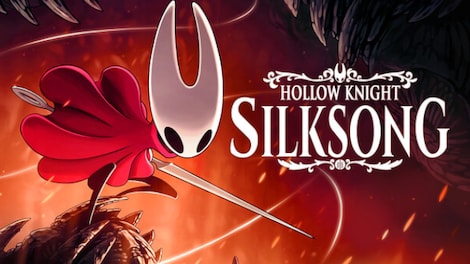
Silksong After Six Years: The Long Wait, The Myth, The Release Rush
Six years is a strange calendar to live with. Announced in early 2019 and shadowed by silence more often than updates, Silksong mutated from sequel to legend. People joked about it, sure, but they also curated playlists of Christopher Larkin tracks, replayed Hollow Knight, and trained on fangame boss rushes just to keep the muscle memory alive. Hype rarely ages well. Here, it fermented. Every showcase without a release date hardened anticipation. Every rumor reset the timer. Was the payoff ever going to match the story players built in their heads?
Here’s the deal. The launch did not merely erase doubt. It weaponized it. When the storefronts went busy within minutes and social feeds clogged with Hornet clips, the mythology snapped into something tangible: a tiny studio, Team Cherry, shipped a world that looks hand-inked and feels hand-honed. That improbable mix of intimacy and ambition is the studio’s signature. It is also the antidote to the fatigue many feel with sequel sprawl. The game did not arrive with bombast. It arrived with confidence.
The community’s waiting-room culture shaped how the launch was experienced. Players coordinated region unlocks, swapped early-map notes, and posted slow-motion GIFs to parse animation tells. People joked that you could hear a bench creak across the world when someone finally sat and updated a map. There is a communal grammar for these games now. If a dead end breathes, poke it. If an elevator feels wrong, jump off it. If a corridor hums, duck into it. The silence trained players to listen more closely, and Pharloom rewards that attention with chatter, carvings, and fragments that glint when the light hits right.
Platform context matters in 2025. On Nintendo Switch, the game’s cadence pairs cleanly with commute sessions and late-night bench hops. On Xbox with GamePass, the onboarding friction is almost zero, which expands the audience beyond series diehards. PlayStation fans get low-latency responsiveness that keeps Hornet’s needle pivots crisp. Steam users collect the expected perks: HDR experiments, community guides, mod-adjacent theorycrafting. Different doors, same house. The result is the same across every platform: the release did not just meet the myth. It updated it.
One last point about that wait: time shaped expectations around scope. People expected bigger. Pharloom answers with 28 regions, sprawling verticality, and a fast-travel network that teases before it comforts. It also answers with restraint. The world is dense but readable, lethal but fair. The myth becomes a map. The map becomes a memory palace. And the memory becomes fuel to keep pushing higher. That’s the loop players bargained for all along.
First Contact With Pharloom: Expectations Versus Reality
Expectations were heavy. The opening minutes cut through them fast. Hornet’s abductors, the crash, the stagger to her feet, then that first clean needle strike. The animation sells weight without sluggishness. Inputs feel crisp. Parry windows sit where the eye expects them to be. The intent feels immediate. It is the sensation players remember from Hollow Knight, but Hornet changes the grammar. She is not a mirror of the Knight. She is a vector.
Early progression is a tight braid of choice and constraint. There is a ritual to exploration here. No map at first. A distant jingle of thrown rings. Study the geometry, take a beating, double back, then find Shakra, the cartographer with a signature sound you can hear through stone. Buy the draft, then ink progress at a bench. The bench is more than a save point. It is reflection turned mechanic. You sit, the map updates, a plan forms. It is hard not to smile when a corridor that felt hostile minutes earlier now reads like a paragraph you can parse at a glance.
Here’s a friction point that defines the tone. Death stings. A cocoon marks the loss. Currency, those bright pearls, clatter out of reach until the cocoon is recovered. Die again and the loss becomes real. This design choice invites caution without punishing curiosity too hard. It also turns side trips into strategy. Farm a little to restock. Detour to a safe bench. Or get greedy, press forward, and trust the dodge. Worth it? Usually. Until it isn’t. That push-pull is the heartbeat of early Pharloom.
Players kept a running list of gut-check moments in the first ten hours. A gate that whispers promises. A crumbling mineshaft that punishes overconfidence. A foyer where background silhouettes hint at future bosses. None of it feels random. The level design tees up glances of areas you cannot yet reach, then hands out traversal tools at a cadence that never kills momentum. Sequence breaking exists, but it feels earned. If a wall gives way, you prepared for that moment long before the hit connected.
Across systems, first contact settles into a rhythm fast. On handheld, short sessions make micro-goals natural. On living room setups, boss practice loops become nightly rituals. On PC, the clarity of motion reads like a tutorial in composition. Even sound cues matter. A sparkling glissando foreshadows a hazardous platforming stretch. A low drone warns of the kind of enemy that punishes sloppy needle placement. The experience is consistent where it must be and expressive where it can be. Expectation shapes the first hours. Reality outpaces it, step by step.
There is a lesson tucked into those early benches. Progress is not only measured in new areas, health nodes, or tool upgrades. It is measured in confidence. The path forward becomes a choice, not a demand. That freedom, granted carefully and reinforced constantly, is the foundation for everything that follows.
Why Silksong Feels Like A Masterpiece: Art Direction, Gameplay, Music, Level Design
Talk art first. The visual language is unmistakably Team Cherry: confident silhouettes, pin-sharp animation arcs, and backgrounds that feel carved rather than painted. Pharloom is a vertical poem. Coral spires. Soot-stained forges. Sand-scoured tunnels. The camera sits a touch closer to Hornet than in the original, which heightens tension in dim spaces and turbocharges the speed of traversal. That proximity also spotlights micro-animations, like the needle’s twang or cloak flutter as momentum snaps direction. The world looks handcrafted because it is orchestrated at that level of detail.
Gameplay folds grace into brutality. Hornet’s needle-work turns combat into footwork practice. Attacks carry recoil you can ride. Grapples stitch arenas together. Heals require stillness, usually for a full three-count, which elevates spacing into a resource. It is a compelling bargain: strike to earn thread, hold to heal, spend to cast, repeat. And it is never static. Different arenas realign priorities. Some place pits where the old instinct would hop. Others pair enemy types whose patterns ruin each other’s tells, unless your positioning cleans the mess. The result is a duel in which movement is language and timing is grammar.
Level design runs on foreshadowing. Sightlines reveal rooms that cannot be reached yet. Shortcuts loop back with little victory flourishes, a rhythmic stinger, a timed lift that finally obeys. The world pushes back just enough that a new traversal tool lands like a revelation. There is a reason players exclaim when an almost invisible tunnel spits them into a new biome. Discovery is engineered, but it never feels rigged. Pharloom lets people author their routes and still maintains a dramatic arc. That is hard.
Music holds it all together. Christopher Larkin scores quiet loneliness and elastic peril with equal precision. Woodwinds flicker in exploration stretches. Brass swells frame boss standoffs. Choirs arrive sparingly, then cut off like a breath held too long. In one forge-like region, percussive clatter becomes part of the meter. In another, a glimmering melody fools you into lowering your guard just before a fall hazard cues the truth. It is dynamic without screaming. It is thematic without repeating. The soundtrack sells Pharloom’s personality, not just its vibe.
Specifics also sell the “masterpiece” label. The world count jumps from the original’s teens to 28 zones, yet the map remains legible. Boss arenas cap fights within roughly five minutes, which prevents fatigue while keeping tension spiked. Dialogue is no longer a monologue of silence. Hornet speaks. Not constantly, not loudly, but with intent that gives side characters a reason to respond. That shift keeps the lore cryptic while making character beats land harder.
Are there misses? A few. The build-crafting layer offers meaningful flavor but low ceiling impact. Power growth skews subtle, which can frustrate players who want blunt-force progression. The economy’s cruelty at death sometimes pressures grinding. Still, step back and the picture is clear: this is a tightly interlocking machine where visuals, motion, sound, and structure align. When that alignment hits, the outcome is simple. Awe.
Put that lens on a single encounter and the formula comes into focus. A two-phase dancer slashes with escalating tempo. The space is small, the floor punishes lingering, and windows are short. Survive one minute and the music pivots, inviting bolder needle routes. The arena teaches, the soundtrack nudges, and the animation gives tells that feel fair. You win not by guessing, but by reading. That is the craft shining through.
What Sets Silksong Apart From Indie Games And The Metroidvania Crowd
Plenty of Indie Games attempt precision platforming, exacting combat, and labyrinthine maps. Few fuse those pillars without showing seams. Silksong does because Team Cherry makes ruthless decisions. Bosses are numerous but not bloated. Attack lists are modest but meticulously timed. Difficulty is firm. Accessibility options are sparse. These choices do not please everyone. They do create a tone. A world that does not bend easily feels worth conquering.
Identity matters. The original Hollow Knight carved out an ethos: generosity in secrets, clarity in controls, restraint in exposition. The sequel keeps that ethos and shifts the flavor. Hornet is faster, more vertical, and more expressive in motion. Conversations add texture to a universe that once spoke mostly in stone and spores. Even with more words, the story still whispers. People compare the narrative style to Souls-likes for good reason. Items and architecture do the heavy lifting. Characters deliver intent and tragedy in half-lines instead of monologues.
Exploration shows the studio’s fingerprint most clearly. Pharloom rarely allows full completion of a region on first pass. That is not padding. It is deliberate pacing. Return trips reshuffle danger with new routes and traversal tech. The absence of omniscient quest markers also matters. The main path gets nudges, but detours lure just as hard. A humming sound behind a wall. A flicker of silk that suggests a line. A bench hinted by signage that feels half-buried. This is environmental breadcrumbing done with restraint. Curiosity gets paid in coin, lore, or new motion toys. Not all breadcrumbs weigh the same, though. A couple of secrets court invisibility to an almost mean degree.
Combat separates the game from peers in tempo. Heals enforce stillness. Thread management enforces aggression. Those conflicting demands make skirmishes read like dances. Learn the step, then improvise. Bosses rarely outstay their welcome and often leave with an afterimage that lingers. People recall names like they recall songs. The duel with a lithe guardian under a coral crown. The sudden brutality of a sand-burrowing menace in a chamber that pinches you for greed. These are encounters that stick not because of flashy spectacle, but because the design conversation with the player is sharp.
There is also the evolving world. NPCs move, mourn, or vanish as acts roll forward. Some fates arrive on-screen and leave a bruise. Shops change stock based on progress. A late-stage act adds branches that require commitment, and the most complete resolution sits behind a gate of optional effort that many will respect and some will resent. It feels honest. Pharloom is not a museum. It breathes. It fights you. It remembers.
Critique belongs in the same breath. The customization system blends Emblems and Tools into build flavors that feel distinct, but not transformative. A projectile-leaning setup alters spacing. A heavier strike package changes how stagger windows are used. Still, elemental weaknesses or damage types do not exist in a way that would deepen meta exploration. Likewise, difficulty tuning at launch sparked debate. A patch eased a few early bosses and trimmed damage from specific enemies, which suggests the team is listening. Even with those adjustments, the bar remains high. The difference is that the doorway into the rhythm got a little wider.
So what truly sets it apart? Coherence. From font choice to dash start-up frames to the way benches chime, decisions support a single thesis: earn your moments and they will matter longer. Plenty of games borrow that principle. Few commit with this level of consistency.
Memorable Progression, Evolving Lore, And The Obsession Loop
Ask ten players for their defining memory and you will hear ten different stories. That is not marketing fluff. It is structural. The map’s openness invites unique routes that still converge on inflection points. One player talks about a hidden lift that recontextualizes half a region. Another cannot stop describing a short corridor with off-beat platforms that almost broke them before it taught timing. Someone else recalls the first time a choir swelled during a duel that finally clicked. Moments are engineered to imprint.
The lore has sharper edges this time. Hornet speaks, and that alone reframes interactions. Side characters get to push back, plead, or preen with enough text to establish motive without explaining the whole picture. Gravestones, murals, and artifacts do the rest. Pharloom is bound to silk and hierarchy in ways that feel familiar and new. The connection to Hallownest is respectful, not nostalgic. Threads tie back without smothering the sequel’s identity. Think of it like this: the first game whispered of rot and ritual. This one hums with string and strain.
Progression spreads across acts. The third act hides behind meaningful optional work, which raises eyebrows and elevates payoffs. People who chase that threshold often end up seeing the world change in ways that make earlier conversations sting. NPCs relocate. Some fall. Others bloom. That living-world cadence is why many keep a second save file. Not to cheese. To witness variations without losing their anchor.
Obsession comes from small design graces. Benches that ask for commitment turn map updates into endorphin pulses. Currency loss at death nudges cautious play, then rewards confidence. Sequence breaks are possible if knowledge and finesse line up, which is catnip for speedrunners. Route-debate threads on Steam forums and Reddit read like friendly academic arguments. Theory videos dissect attack wind-ups frame by frame. A vibrant cottage industry springs up overnight. That is what happens when a game speaks a clear dialect and invites fluent players to teach it.
Platform by platform, the obsession loop adapts. Portable runs on Nintendo Switch turn exploration into a commute ritual, two benches at a time. Big-screen sessions on PlayStation amplify boss spectacle and input nuance. GamePass lowers the barrier for newcomers on Xbox, which pulls in players who later buy the soundtrack and art book because the mood gets under their skin. The format shifts. The compulsion holds steady.
There is a social angle too. Streamers stitched together day-long marathons where chatters shouted about hidden cracks and secret shards. Community cartographers published annotated maps that are equal parts guide and love letter. Musicians covered motifs in minor keys and posted mashups with strings that would fit right into the official album. Every corner of the fandom finds a way to contribute. Games that last more than a season usually have that gravitational pull. This one does.
Call it the obsession tax or the obsession gift. After credits, players return to mop up side quests, test emblem combinations, or chase endings many will never see. The point is not just completion. It is fluency. There is satisfaction in knowing where to land a perfect hop so a grapple thread sticks just right. There is joy in out-reading an enemy that once felt impossible. Fluency breeds love. Love keeps people in Pharloom long after the first ascent ends.


