

The Best PC Games of November 2025: 10 Must-Play Titles That Will Blow Your Mind is not a slogan. It is a checklist for a month built to devour wallets and free time. The calendar stacks up heavy hitters and smart indies side by side: a precision shooter with full PC bells and whistles, a grand strategy duo that lets empires collapse in spectacular fashion, a pair of narrative experiments that trust the player to think, and a wave of live-service content that respects late adopters. Steam is the hub for most of it, yet Epic Games and GOG have their own must-click pages, and Origin still matters for the EA diehards jumping into seasonal updates. Crossplay with Xbox and PlayStation is common. PC-only features still set the tone.
There is real variety here, not a marketing collage. Call of Duty: Black Ops 7 lands right as communities cool from Battlefield 6’s ongoing season, which creates a fascinating head-to-head for competitive squads. Europa Universalis 5 and Anno 117: Pax Romana arrive days apart, a dream week for builders and history nerds who enjoy the friction between numbers and narrative. Rue Valley chases Disco Elysium’s spirit with very different rules, while Demonschool pulls tactics and teen drama into a tight loop. Escape from Tarkov 1.0 finally stamps its passport after years of beta scars, and the month sweetens that high tension with something calmer: Football Manager 26 and Lumines Arise. Round it all off with Risk of Rain 2: Alloyed Collective, one of the strongest co-op updates in recent memory. Ready for the shortlist that earns its place on your SSD?


Best Shooters and Action on PC for November 2025: Black Ops 7, Where Winds Meet, Escape from Tarkov 1.0
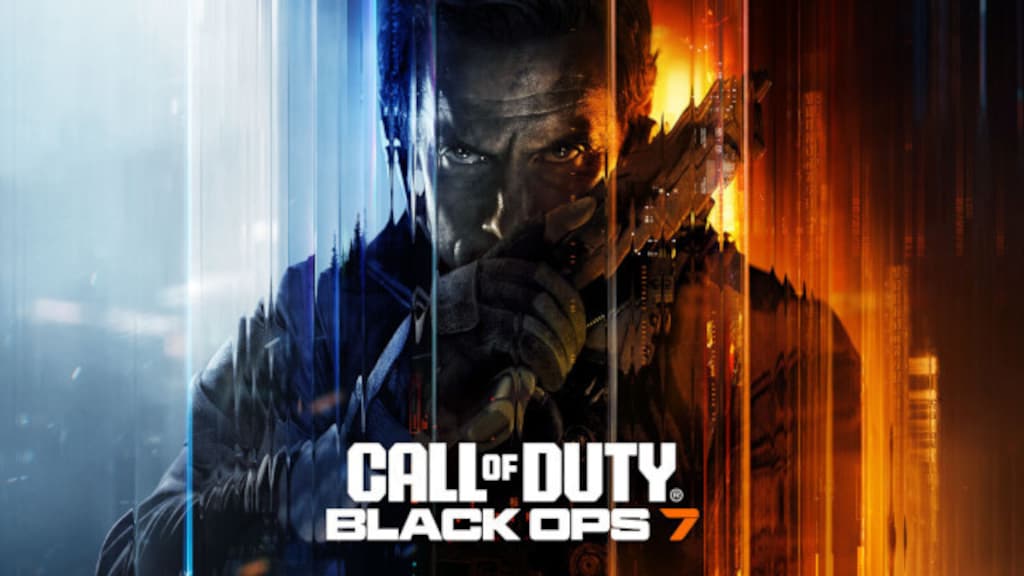
Call of Duty: Black Ops 7 hits on November 14, bringing a campaign that pivots from Cold War paranoia to present-day intelligence skirmishes. The PC version matters because it usually gets the richest feature set: ray-traced lighting, ultrawide support, high-refresh menus, DLSS/FSR toggles, and stricter anti-cheat hooks. Multiplayer trims heavy skill-based matchmaking, which could change how new players climb. If crossplay with Xbox and PlayStation turns into a mixed MMR pool, lobby balance will shift match to match. That unpredictability will appeal to squads seeking fresher pacing. The marketing rollout started months ago, and if you want to retrace the hype beats around the reveal and stage demos, the recap here remains useful: Gamescom ONL coverage with Black Ops 7 front and center.
Graphics talk is cool. Input feel is cooler. Expect the usual crisp hit-scan handling and slide-cancel mind games. Aim assist discourse will rage again. PC players with tuned sensitivity curves, low input latency monitors, and consistent 120 to 165 fps delivery can still dominate. The visual uplift helps with positional awareness on dense urban maps, especially with RT shadows making silhouettes readable without cranking gamma. On storefronts, Steam is back for COD, though Battle.net under Blizzard remains a parallel home for series loyalists. That split is fine. Options mean faster patches when one pipeline gets congested.
On the other side of intensity sits Escape from Tarkov 1.0 on November 15. Eight plus years of beta iteration finally coalesce into a formal launch, and a Steam debut means a bigger influx of curious players. The patch notes promise new maps, performance improvements, and matchmaking fixes. What makes Tarkov must-play is the flavor of risk. Every raid is a gear lottery with nerves layered on top. Even small audio tweaks alter how headset users parse stairwells, and the meta shifts with ammo balances that favor aim discipline over spray. If most extraction shooters feel arcade-like, Tarkov plays like a slow drumbeat that never lets up. Origin of the genre’s modern tension? Pretty much this. For those who left earlier because of queue pain or desync, the fixes target those exact friction points.
Where Winds Meet launches on November 14 and takes a very different swing. Medieval China becomes a playground for wuxia swordplay, parkour, mounted travel, and role-based life paths. Fights reward timing and stamina management more than button mashing. Parry windows are readable, and animation canceling asks for precision. The open world invites wandering conversations with scholars and performers, with the option to roleplay a bodyguard, physician, or orator. Think of a freeform RPG stitched with MMO threads. It is not Assassin’s Creed. It is more theatrical. PC players should watch for CPU-heavy crowds and cloth physics that lean on the GPU shader pipeline. If Everstone nails streaming and LOD transitions, this could be the month’s most screenshot-worthy world. Distribution starts on Steam, with community speculation about Epic Games timing as well. Either way, modders will sniff around quickly. Bethesda-style sandbox energy tends to attract that crowd.
Quick note on expectations. Week-one drivers can make or break frame pacing, and shader compilation stutter is still a thing. Keep an eye on vendor updates if your rig sits near minimum spec. The Friday LAN crew archetype still applies: two players diving into Black Ops 7 ranked, one drifting through Where Winds Meet’s story arcs, and one sweating Tarkov extracts. Shared voice chat, different thrills. That mix is why November’s action slate stands out.
Grand Strategy and City-Building Leaders of November 2025: Europa Universalis 5 and Anno 117 Pax Romana
Europa Universalis 5 arrives on November 4, ready to consume weekends like a black hole. Paradox Interactive pushes the simulation deeper with reworked diplomacy, a population model that tracks strata and culture with more fidelity, and a fresh trade system that cares about geography and climate as much as coin. The standout is a dynamic borders system that shifts lines in reaction to war tempo, rebellions, and treaties instead of toggling instantly on peace screens. That visualizes history as a living process. Strategy fans who want to test alternative timelines can stress a tiny state with clever pacts and watch the AI counterplan in surprising ways. The early buzz notes how rivals now pressure soft targets while colonial players juggle homeland unrest with overseas ambition. Perfect chaos.
On PC, map readability matters as much as math. Higher resolution province textures, smooth zoom transitions, and optional colorblind-friendly overlays reduce fatigue in long runs. If turn-based classics scratch a tidy itch, EU5 offers the opposite: continuous decisions that force triage. Steam will be the main home, and expect GOG to court players who prefer DRM-free installs and old-school mod deployment. Paradox’s ecosystem has always thrived on community-made fixes and flavor packs. Think curated balance tweaks, community missions, and UI compactness options. Mods will move fast here, much like the lively scenes that orbit Bethesda RPGs after launch day.
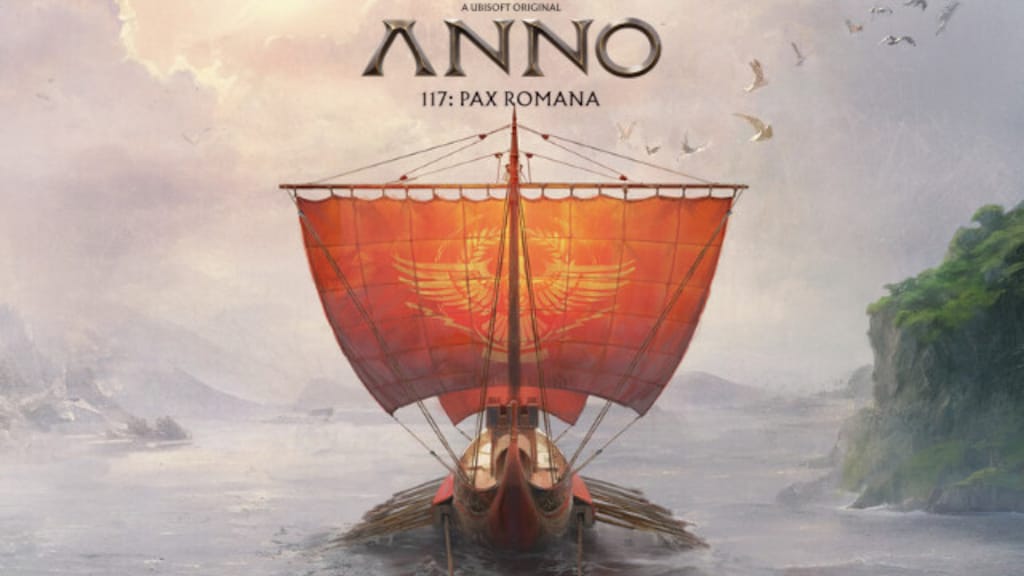
Three days later, Anno 117: Pax Romana sets up shop on November 13. Ubisoft Mainz places the series at the height of Roman influence, stretching logistics across the Mediterranean. The headline feature is a new logistics engine that tracks throughput and bottlenecks with an almost industrial sim flavor. Resource chains branch and recombine. Caravans, galleys, and river routes can be tuned for redundancy, not just speed. Add a population morale system that reacts to taxes, food variety, and civic projects, and you get a machine that hums or sputters based on choices that feel tangible. A missed pottery shipment might not collapse a region, but it could roll into a cascade if politics flare and a governor loses confidence.
Anno’s visual identity always matters. Marble plazas, terracotta roofs, distant aqueducts cutting through olive groves. Modern PCs should expect scalable options to avoid CPU spikes during festival days and military parades. Ubisoft Connect will likely be the launcher behind the scenes on PC, yet Steam listings make it smoother for most players. If city-builders are comfort food, this one could be the rich stew. A case study: a Carthage-focused run that prioritizes naval trade over land patrols can become a diplomacy sim as rival powers try to undercut maritime dominance. The game accommodates that with mid-game lawmaking that offsets aggressive neighbors with cultural prestige. Smart stuff.
Strategy months like this become social in unexpected ways. Discord groups post save files to compare divergent outcomes. One player’s peaceful republic turns imperial by necessity. Another stays decentralized, a federation of prosperous city-states. Both valid, both fun to dissect. For readers who care about how remakes respect legacy design, the comparison point from a different genre still resonates: a detailed look at how a classic was rebuilt without losing its identity. That same respect for old strengths is exactly what makes EU5 and Anno 117 exciting. They evolve without discarding what hooked their communities.
Narrative and RPG Standouts in November 2025: Rue Valley and Demonschool
Rue Valley lands on November 11 and does something brave. It centers conversation and consequence, not combat. The loop is simple on paper: wake up, explore town, talk to people, make choices, sleep, repeat. The twist is in the time-loop structure that remembers subtle shifts and nudges the player toward uncomfortable truths. Minimalist visuals avoid the distraction of flashy effects and push attention to branching dialogue. Every line feels surgical. Think Disco Elysium’s radical trust in the player, yet channeled into a different kind of existential detective story. No skill checks for rifle shots. Plenty of internal debate.
Performance needs are gentle. That opens the door for laptop play without external GPUs, and it makes the game an ideal pick for handheld PCs. Readers keeping an eye on portable timing may remember the buzz around compact Windows rigs, like the coverage here: news on ROG Ally launch plans. Rue Valley fits that lifestyle perfectly. Quiet, reflective sessions on commutes or late nights. The storefront story is straightforward. Steam first, then likely GOG for players who want to archive builds. Epic Games could join the mix if narrative spotlights line up with their promotions.
Demonschool follows on November 19 with a completely different vibe. Picture a campus calendar colliding with a supernatural mess. Daytime is social sim territory. Evenings shift to grid-based tactical battles against creatures touched by Italian horror aesthetics. The combat plays like a puzzle under pressure. Positioning and turn order matter more than raw stats, and character relationships feed directly into skills that bend encounters in stylish ways. Persona comparisons are inevitable, yet this project carries a leaner structure that respects time. Shorter dungeons. Smarter friction. For horror fans tracking the indie scene, tone matters a lot. A helpful checkpoint is this deeper dive into tension and atmosphere from another release: a critique of a chilling sci-fi horror, which explains exactly how audio, pacing, and implication can do more than gore ever could.
Input choice transforms these RPGs. Keyboard and mouse make dialogue navigation snappy. Controllers feel better for grid tactics. Both games should shine on standard rigs, with load times cut down by NVMe drives that have basically become baseline in 2025. Mod scenes might bloom as well. A fan-made language pack here, a portrait overhaul there. When players mention Bethesda as a shorthand for healthy mod ecosystems, they are really talking about permission to tinker. Rue Valley and Demonschool look built to welcome that energy.
What about cravings for a loop that bites harder? That itch can be scratched elsewhere this month, although the best modern example remains this gem from earlier in the year: a glowing analysis of Hades 2’s combat loop. Demonschool borrows the obsession with iteration, then rewires it into tactics. Different flavor. Same draw. For players who want a darker tone with action DNA, the perspective in this review of a moody hybrid adds context on why restraint can elevate combat-heavy games too.
The memorable moment in both titles will be personal. A single choice that changes a friend’s arc in Rue Valley. A chain of perfectly timed moves in Demonschool that wipes a board clean in one turn. Those snapshots stick. That is the point.
Sports, Puzzles, and Chill Perfection: Football Manager 26 and Lumines Arise
Football Manager 26 returns on November 4 after a skipped cycle, and it feels like pent-up ideas finally got space. Sports Interactive has always sold the fantasy of control, but the modern game is about data clarity more than spreadsheet overload. Expect improved recruitment AI, deeper youth development projection, and clearer match analytics that explain why a tactic fails beyond vague heat maps. Negotiation tuning should reduce cheese tactics that let mid-table clubs hoard superstars. Fans who lived through previous spikes in wage inflation know the pain. There is already a thoughtful breakdown of early PC impressions right here: a PC test that calls out surprises and rough edges. Worth the read before booting a save.
Hardware wise, FM rides CPU more than GPU. Simulating several leagues at once benefits from higher clocks and faster memory. Cloud saves let managers bounce between desktop and laptop, and that is where PC shines over console versions. Steam is the main platform, Epic Games often runs day-one promos, and older players still enjoy keeping backups through GOG for long-term archives. Workshop support keeps tactics, face packs, and stadium textures flowing. The community turns the game into a live service without intrusive monetization. Every November, a new shared lexicon forms, and this year looks no different.
Lumines Arise lands on November 11, adding a clean, modern sheen to a beloved puzzle formula. The core loop is intact: color blocks fall, a timeline sweeps, rhythm sets the pace. The PC version goes beyond nostalgia. Expect 120 fps targets, crisp 4K HUD elements, HDR profiles, and reactive haptics via controller. Yes, puzzles are usually a couch thing. Yet PC owners with good speakers will want to test the new soundscapes. A calibrated sub elevates the sweep line in a way headphones cannot. This is mood as mechanic, and it works.
Accessibility helps both games. FM adds clearer onboarding for new coaches who bounce off jargon-heavy screens. Lumines includes colorblind-friendly palettes and a practice mode that screws down the tempo without sucking out the rhythm. Those touches widen the audience, which encourages healthy communities. If you bounced off looter shooters this year and want a different progression curve, this perspective resonates: a critique of sequel bloat. Lumines Arise goes the other way. Tight. Elegant. Addictive.
Platform context matters too. Xbox and PlayStation versions will exist, yet PC tends to be the best place for quirky display setups and custom controllers. On storefronts, Steam will be first, with Epic Games timing likely for featured rhythm collections, and a good shot at a GOG release for players who love keeping music games in an offline library. The vibe snapshot to remember: a late evening, cold drink on the desk, city lights outside. FM tactics board on a second screen. Lumines on the main panel bathing the room in color. That effortless switch feels like a flex only PC can pull off.
Live-Service Heat and November’s Co-op Fix: Risk of Rain 2: Alloyed Collective, plus the month’s big updates
Risk of Rain 2: Alloyed Collective drops on November 18, and it is a full plate. The expansion delivers six new stages, additional drones, and two survivors that flip core strategies. RoR2 works because it treats build-making as jazz. A run begins with restraint, then spirals into ridiculous power if item synergies hit. The new content turns familiar routes into fresh risk assessments. Do you slow-roll to stack healing and on-kill effects, or sprint for portal triggers and trust your aim? Co-op sessions become arguments in the best way. Those arguments become highlight reels.
The PC version should hum on modest hardware, yet it absolutely sings at 144 Hz or higher. That smoothness helps when the screen fills with particles and the frame timing gets tight. Steam remains the beating heart of RoR2’s community, though Epic Games sales often pull in new players who then stick for hundreds of hours. Controller aim assist is optional, and mouse users will always argue about sensitivity for tracking Wisps at distance. That debate never ends. It should not. The friction fuels mastery.
November’s update wave makes this expansion even easier to recommend as a social anchor. Battlefield 6: California Resistance lands on November 18 through Steam and Origin, delivering new modes and a map pool that rewards squad cohesion. Phasmophobia unlocks the Nell’s Diner map on November 11, a tight space that turns audio cues into weapons. Kingdom Come: Deliverance 2 wraps its season with the Mysteria Ecclesiae DLC on November 11, an adventure that eats long weekends if neglected. And Disney Dreamlight Valley heads to Wishblossom Ranch on November 19 for cozy players who want a palette cleanser between firefights. Variety helps prevent burnout. November is generous that way.
Co-op design lives or dies on clarity. RoR2’s new survivors look tuned to complement rather than overshadow the roster. If you love design autopsies, the lens used here illuminates why combat loops either lock in or flop: a breakdown of a roguelite that nails flow. That same principle applies. Teach quickly. Reward experimentation. Never smother players with friction. A different angle from earlier this year underscores the flip side, when a big sequel stumbles: why some looter shooters plateau. RoR2 avoids that plateau by constantly remixing its laws.
One more ecosystem angle before the must-play list locks in. Rockstar Games, Bethesda, and Blizzard built reputations by treating PC as a first-class platform. That shows up in mod support, frame rate targets, and control options that feel native, not bolted on. This month follows that playbook. Storefront choice is healthy competition, not fragmentation. Steam gets the big crowds. GOG offers clean ownership. Epic Games supplies promo oxygen. Origin is still the trench for EA shooters. Players can shop where they prefer and still meet up in-game. The memorable image here is simple: four friends in voice chat, one on a desktop tower, one on a small-form-factor build, one on a portable PC, one on a living room station. Same lobby. Same chaos. No drama.
For those keeping track of events and showcases, this season also rides a wave of attention that started earlier in the year and never faded. There is a reason showcase seasons keep landing well. If longform narrative is more your speed during downtimes between co-op nights, this feature offers the tonal counterpoint: a story-first gangster game review. The lesson carries into live-service planning too. Mood matters. Stakes matter. Risk of Rain 2 gets that, then channels it into joyful chaos.
Where to Start: Your 10 Must-Play PC Picks This Month
The list below is not just dates on a calendar. It is a roadmap for different moods and rigs. Call of Duty: Black Ops 7 (November 14) for tight competitive buzz. Escape from Tarkov 1.0 (November 15) for heart-in-throat extraction. Where Winds Meet (November 14) for open-world wuxia freedom. Europa Universalis 5 (November 4) for history rewritten one policy at a time. Anno 117: Pax Romana (November 13) for logistics elegance. Rue Valley (November 11) for brainy, human storytelling. Demonschool (November 19) for tactics-driven dread. Football Manager 26 (November 4) for data and drama on the touchline. Lumines Arise (November 11) for rhythm and calm in crisp 4K. Risk of Rain 2: Alloyed Collective (November 18) for the best co-op chaos in town. Many are on Steam on day one, with parallel listings across Epic Games, GOG, and in some cases Origin or publishers like Ubisoft’s own launchers. Pick a lane. Dive in. The standout moment will find you.


