

The Rogue Prince of Persia does something rare for a storied franchise. It hands the crown to a nimble Roguelite framework and doubles down on momentum, movement, and meaningful risk. Built by Evil Empire (the team that kept Dead Cells humming for years) and published by Ubisoft, this acrobatic spin on the legend exited early access with a confident 1.0 release on Steam, PlayStation, and Xbox. The pitch is simple: stop a Hun invasion by mastering short, high-stakes runs through hand-crafted tiles combined with procedural remixing. The result feels focused. No bloated upgrade trees. No filler. Just clean systems that fuel one more attempt.
What stands out is the conviction behind the design. The art leans into vivid lines and punchy palettes, channeling Franco-Belgian comic energy while mixing in tactile traps and blades that nod to the series’ roots. The soundtrack fuses Middle Eastern textures with electronic drive, building heat as the combo meter rises. And every death loops the clock, sliding straight back into a compact hub stuffed with permanent progress hooks. Skeptical about yet another Roguelite in 2025? Fair. Then watch how tightly this game binds movement to mastery. That’s where the spark lives. Fans of Metroidvania structure, Roguelite loops, and classic Prince of Persia platforming will feel right at home, even if the recipe skews more sprint than sprawl.
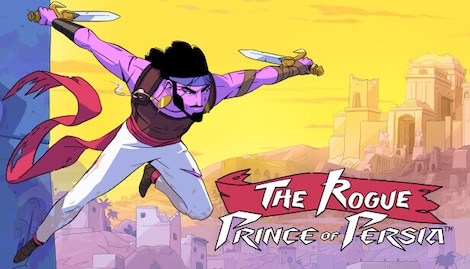
The Rogue Prince of Persia Review: Roguelite Systems That Make Every Run Count
Roguelite mechanics live or die on the loop: fail fast, learn faster, carry a bit of progress forward, then try again. This game nails that cadence with an elegant core. Each run starts from the Oasis, a compact hub where unlocked weapons, tools, and medallions enter the pool for future drops. Death resets the map and clears temporary gear, yet experience and certain unlocks persist. That balance matters. It keeps the early minutes brisk, not punishing. It also trims the grind. A short run can still unlock something that changes the next attempt’s texture.
Procedural generation is targeted, not chaotic. Levels use archetypes that remix enemy placements, hazards, and routes, while keeping a clear theme per biome. New players benefit because layouts stay readable. Veterans benefit because the game avoids pure repetition. There is room for mastery. A few sessions in, muscle memory kicks in as routes branch, secret stashes pop, and hazards chain into combat setups. It feels curated, not random for the sake of it.
Gear approach shapes the loop. The Prince carries a primary weapon category (sword, twin blades, heavy hammer, and more), a ranged or utility tool (bow, chakram, bombs), and several medallion slots. Medallions are the glue. Burning arrows pair with oil trails. Frost procs with shatter on heavy strikes. Poison stacks accelerate on aerial kick finishers. The system encourages experimentation because the strongest effects are readable and attainable without spreadsheet crunching. No homework required. Just pay attention to what drops and build around it.
Risk rules the economy. Mid-run, a Soul Brazier lets you bank Soul Ash for safekeeping. Smash it instead and you release a big burst of currency in the wild that cannot be banked again. Greed turns the tension knob. A clean path home means permanent upgrades flow faster. A greedy detour might translate into a stronger next attempt. Or a hilarious flame-out in a spike hallway. Either way, the story told by the loop grows.
After beating the early campaign gatekeeper, modifiers called Awakening Stones layer in. Think additive maluses that raise enemy aggression, remix elite affixes, or constrain healing. Rewards scale with the pain. It feels inspired by how Hades handled escalating heat, only tuned for constant motion. This is where the loop blooms for veterans: the same levels morph into new exercises as one variable nudges risk patterns sideways.
Progression sits on the gentler side for the genre. Permanent unlocks stick. The pool of available gear widens. Goal-tracking challenges (defeat certain enemy types a number of times, complete a route variant) hand out reliable currency. Some purists will want deeper build weirdness or more exotic edge-case relics. Fair critique. The design intent leans readable over labyrinthine. That keeps the barrier low for players who bounced off harsher Roguelites, while still letting sequence breakers find speed strategies.
One note of humility is healthy here: long-tail balance in any live Roguelite evolves with patches, and the most degenerate synergies usually surface months later. Early observations look strong. The loop respects time, the economy respects momentum, and the Oasis makes failure feel productive. The takeaway is simple: every run feels like a decision tree, not a slot machine.
The Rogue Prince of Persia Review: Parkour-First Combat and Level Design Flow
Movement is the superstar. Wall-running along a plane behind the foreground, bounding across ledges, and snapping into air kicks turns arenas into climbing frames. The level design keeps lanes open, then spikes them with traps that read clearly from a distance. Picture a chase across hanging gardens: vault a spear line, wall-run behind a shield bearer, pivot into a slide under a swinging axe, and finish with a charged strike that flings the target into a spike rack. It looks stylish because the control model lets it happen without friction.
Combat stays married to traversal. Horizontal strings link into vertical resets. Aerial kick staggers into a launcher. Launchers buy time for a tool swap. Tools feed status. Status fuels medallion payoffs. The only constant is motion. Stand still and the encounter bites back. Dash windows are generous but not brainless, with invulnerability tied to clean timing. Because the camera lets players peek with the right stick, path planning becomes second nature. Clearing a room feels like connecting lines with a marker, not chopping through a scrum.
Legacy fans will spot familiar toys. Blades and floor spikes return, now integrated into enemy gauntlets that reward awareness. Some puzzles soften the tempo, asking for small rhythm checks before resuming the sprint. There is no manual time rewind mechanic here, yet the time loop fiction preserves the Prince of Persia DNA without copying the Sands of Time beat for beat. That choice feels smart. It makes space for a new identity while still respecting the brand’s silhouette.
The combat sandbox benefits from restraint. Attack strings are readable, enemy patterns telegraph, and boss mechanics escalate without unfair gotchas. On the flip side, collision magnetism can occasionally nudge the Prince onto a nearby climbable surface when the intention was a clean jump. It happens rarely, but when it does, the flow stutters. The game compensates with generous teleports that collapse backtracking after a risky detour. Grab the treasure. Skip the tedious walk of shame. Pace remains high.
The influence of Dead Cells is unmistakable in the feel of roll cancels and the snap of hit-stop, while the route variability echoes Hades in spirit. Still, this is its own rhythm. It’s heavier on parkour, lighter on build labyrinths, and laser focused on readable execution. The effect is addictive. A failed run rarely frustrates because the sequence of moves looked cool even when it ended in a pratfall.
If a single clip can sell the fantasy, it is the moment a player strings a background wall-run into a rebound kick, cancels with a dash through projectiles, then finishes with a chakram recall that slices a staggered elite. The system invites that kind of improvisation. It is not about perfect inputs. It is about momentum literacy. Learn the grammar, and the game replies with swagger.
The Rogue Prince of Persia Review: Difficulty Curve, Rewards, and Run-to-Run Growth
Difficulty ramps on a clear slope. Early biomes introduce hazards in isolation, then layer them into compound rooms where timing matters more than raw damage. The first boss checks for dash rhythm and awareness more than DPS. Mid-game elites add projectile patterns that punish tunnel vision. By the time modifiers unlock, players can toggle challenges that sharpen old spaces into new shapes. This slow twist keeps the journey fair while still leaving room for sweat.
Persistence systems are unambiguous. Experience feeds unlock nodes that widen weapon and medallion pools. Soul Ash fuels permanent upgrades at the Oasis. Tools gain alternate behaviors as milestones tick, like a chakram that applies a brief slow or a bow that ramps status damage on sequential hits. The key is clarity. Each reward explains itself. Newcomers do not need a wiki. Skilled players are free to chase speed and precision rather than parse convoluted text.
Between attempts, the Oasis acts like a brain reset. Check progress boards. Pick a starting path. Tinker with a build concept. Then dive. Goal-based bounties motivate focused practice, like eliminating a specific enemy archetype across multiple runs to bank a currency bonus. The book-keeping never bloats. Optional side rooms offer micro-puzzles for medallions or currency. Those detours make sense because teleporters compress any return trip. It is a respect-your-time philosophy that more Roguelites should steal.
For players who bounced off the toughest genre entries, this design lowers the ceiling without flattening the climb. The builds are not endless. There is not a sprawling shrine of percent buffs. Instead, the action itself carries the replayability. That is both a strength and a limitation. Some veterans will miss encyclopedic relic combos or truly broken synergies that define a meta for months. Others will celebrate a combat loop that shines on its own without spreadsheets.
Drops are fairly distributed and do not hinge on obscure interactions. When a synergy erupts, it is usually obvious: oil spreads fast, fire converts it into area damage, a kick sends a burning target into a hazard for a cathartic chain. The lesson repeats: smarter movement equals safer damage. The game wants players to think like climbers, not turret gunners. That philosophy separates this title from many Roguelite peers that lean on standing builds and ranged safety zones.
Short review windows can mask late-game difficulty spikes or long-tail balance shifts in any live title. Patch cadence will matter if a dominant combo emerges or if an enemy type overperforms. What can be said now is that the difficulty curve respects practice. The more the movement grammar is internalized, the less punishing the later biomes feel. The satisfaction comes from realized execution, not raw stat inflation. Perseverance gets rewarded with visible growth and cleaner routes.
The Rogue Prince of Persia Review: Art Direction and Soundtrack That Drive the Flow
Visually, the game leans into bold ink lines and saturated hues that recall classic bande dessinée albums. Outlines pop. Cloth and stone show deliberate brush textures. This is not realistic Persia. It is a stylized storybook built for clarity at speed. Foregrounds use high-contrast shading so hazards and enemies read instantly. Backgrounds push depth with parallax layers and molten sunsets over the Tigris. In motion, it feels like a modern comic panel that refuses to sit still.
The best trick in the bag is how movement sculpts the frame. Wall-runs slide along a secondary plane in the back, letting the Prince carve paths parallel to the primary action. It looks theatrical and it reduces clutter on the main lane. Sparks from clashing blades and micro hit-stop on impact add tactile punctuation. The UI stays minimal, with the combo meter and medallion icons informative but unobtrusive. Readability wins. That matters when every dash window is a half-second judgment call.
Sound sells the swagger. The score blends oud and ney timbres with punchy synth bass and crisp percussion. As the combo gauge climbs, layers fade in: hand claps, distorted leads, percussive rolls. Failures strip it back down. The adaptive approach mirrors the flow state the game wants players to inhabit. That tightening coil of rhythm does not just decorate the run. It instructs the tempo. Move, or the music cools.
Effects pull their weight too. Clangs land with a midrange bite. Spikes hiss. Projectile trails whisper. The soundstage keeps plenty of air so cues are readable when chaos blooms. Boss themes change shape as phases shift. A late fight might start with a lilting modal melody, then bend into a driving 7-beat as hazards crowd the screen. The not-so-secret sauce is restraint. Nothing overstays its welcome. Even in repeat runs, the mixes remain fresh.
It helps that the art direction keeps references to classic Prince of Persia iconography without leaning on nostalgia as a crutch. Traps are menacing but clean. Palaces feel opulent. War camps feel raw. The Hun invasion theme gives the palette license to shift from gold to ash in a single biome transition. When the Prince threads a corridor of swinging blades, the series’ heritage is palpable. Yet the look is unmistakably this game’s own, not a sepia-toned rerun.
The Rogue Prince of Persia Review: Story, Time Loops, and Franchise Touchstones
The narrative rides shotgun with the loop. Each death winds the clock back to a key moment, keeping the Hun threat immediate and the stakes personal. Conversations in the Oasis shift as milestones pass. New NPCs arrive. Old faces react to progress. Story beats unlock alternate routes or optional encounters, tying plot to exploration choices. It is a light touch, but it works because it does not slow the run. The tale is there for players who want it, never a barrier for those chasing time.
References to the franchise are threaded with care. Spikes and blades echo the series’ harsh puzzle rooms. Duels reward footwork and timing rather than pure attrition. There is no rewind button, yet the time loop concept lets the game explore consequence and intent without rewiring the controls. It creates a conversation with the past rather than a copy. For a brand with decades of baggage, that restraint is rare and welcome.
World-building emerges in shards. Notes hint at command structures inside the invading army. Environmental storytelling signals where battles turned and who broke ranks. The biomes feel lived in. A rooftop market shows the cost of war through boarded stalls and tattered banners. A fortress corridor bristles with rushed fortifications. This kind of detail pays off in repeat runs because context accumulates. The more the routes are mastered, the more the world reads as a sequence of decisions made by people in crisis.
Character work stays terse. That fits the loop. An ally might deliver a single dry line that lands harder on the fifth run than the first. Antagonists announce intent through attack patterns as much as dialogue. The Prince himself is defined by motion, not monologue. That emphasis keeps the spotlight on player authorship. The story is what the run looked like, not a cutscene that blots out the sprint.
Comparisons to Hades are inevitable because of how elegantly that game braided narrative into repetition. The approach here is simpler, but the goal is similar: humanize failure and frame progress as discovery. Some will want more cinematics or branching dialogue trees. Others will appreciate the restraint that keeps the action front and center. The real test is emotional stickiness. After several loops, the Oasis feels like home base rather than a menu. That says a lot.
It also matters that Ubisoft allowed a distinct tone to flourish under a big franchise umbrella. The indie game sensibility from the studio behind Dead Cells shows. Scenes end quickly. Jokes land and exit. The story lifts the run without ever hijacking it. For a series long tied to grand narratives and time-bending set pieces, this tighter, loop-aware storytelling earns its spot in the canon. Fans get affectionate callbacks, newcomers get a clean entry point.
The Rogue Prince of Persia Review: Strengths, Limitations, and Where It Stands Among Roguelites
Strengths stack up quickly. Movement feels exceptional. The parkour-first design turns every arena into a puzzle box where skillful pathing equals safety and damage. The upgrade cadence is respectful of time. Run length is digestible for weeknight sessions. Art and audio strike a stylish identity that reads in a heartbeat on any screen, whether that is a living room console or a laptop running Steam. Most importantly, the loop offers genuine agency. It is never just numbers ticking up. It is better lines drawn through danger.
There are limitations. Structure repetition is part of the genre, and the game carries that baggage. Biome archetypes remix smartly, yet after many hours, a touch more enemy variety would help late-game freshness. Build depth sits one notch lighter than the most complex entries. Some veterans will crave stranger interactions or wildly transformative relics. Input magnetism near walls can misinterpret intent at high speed, creating rare stumbles that break rhythm. Bugs encountered are minor, and nothing derailed a session, but live games pivot on patch health. Ongoing support will matter.
Context helps. Against Hades, this title is leaner and more kinetic, trading god-tier story density for traversal swagger. Against Dead Cells, it tilts closer to parkour choreography than weapon collect-a-thon, and it benefits from fewer, clearer relics. Compared to Rogue Legacy 2, progression here is less about family trees and more about route mastery. Stack it next to Spelunky 2 and the difference is philosophy: this game teaches flow and offers permanent edges, while Spelunky enforces pure knowledge and chaos management. If a console yardstick helps, think of it as the nimble cousin of Returnal with 2D readability and a very different tone.
The Metroidvania question comes up a lot because Prince of Persia flirted with that template in other entries. This is not a Metroidvania in structure. There is no giant contiguous map with key-locked progression. Yet it borrows the spirit: route choice, secret rooms, movement gating that teaches traversal tricks. If a player loved the deliberate platforming of The Lost Crown but wanted shorter, repeatable sprints with higher stakes, this delivers that vibe with Roguelite scaffolding.
Platform support is broad. PlayStation and Xbox versions run well and feel natural on a controller. PC on Steam offers sharp presentation and fast loads. Subscription availability can shift over time, so check the store page if Game Pass or PS Plus perks matter to a purchase decision. Price discussion is straightforward: the content-to-cost ratio lands fairly for the genre, and value climbs if post-launch support drops new biomes or enemy variants. Even at list price, the hour-one hook is strong enough for action fans who live on short sessions.
The real story is how the game rekindles interest in the loop for players who drifted away. Many Roguelites drown in systems and forget the thrill of a clean input chain. This one centers that thrill. The first time a player clears a room without touching the ground, the genre itch returns. The first time a medallion synergy clicks into a room-length burn chain, the grin arrives. Some may want more depth on the build side. Others will be relieved by how little menu time sits between attempts. Either way, the heartbeat of the thing is loud and clear. If the genre lost its spark, this is a solid place to find it again.


